Getting people to sign up is the easy part. Getting them to stay is the hard part.
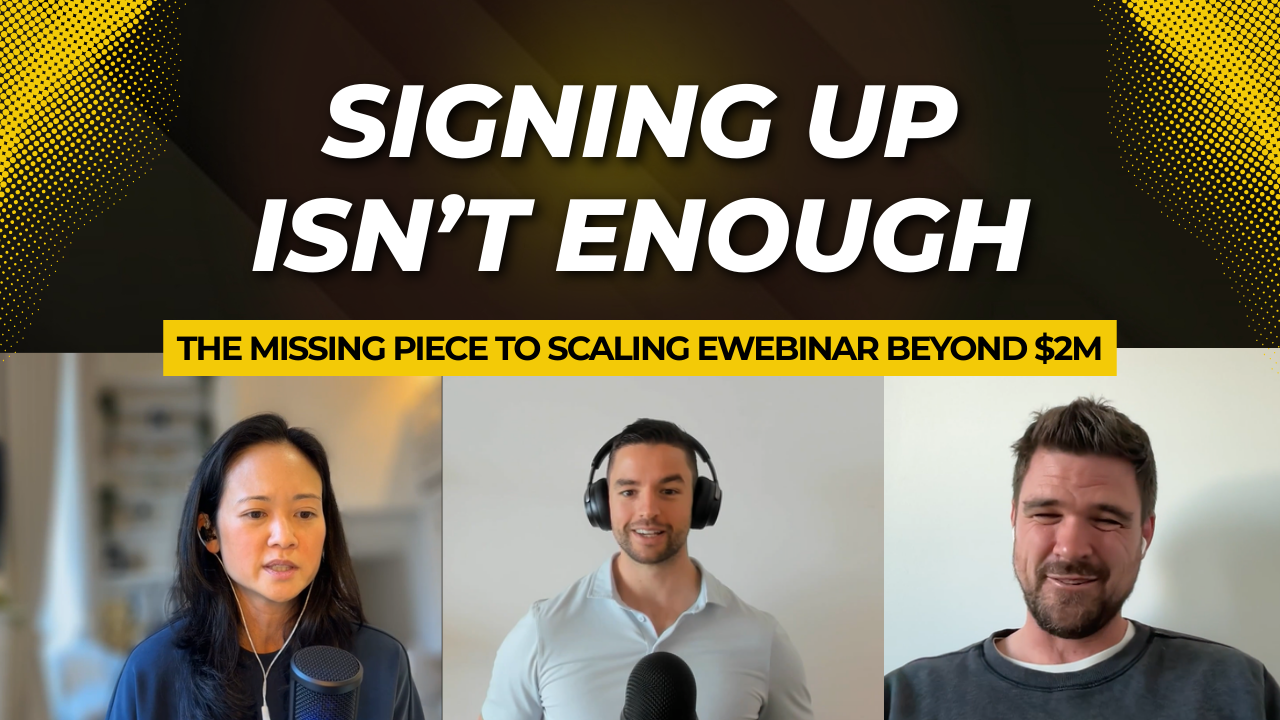
Melissa Kwan learned this while growing eWebinar to almost $2M in ARR without hiring a single full-time employee.
In a conversation with Wes Bush and Esben Friis-Jensen, Melissa shared what really happened behind the scenes. She talked about why product-led growth can feel slow and frustrating early on, how burnout can show up quietly, and why customer success matters more than most founders think.
Just Under $2M ARR and a Contractor-First Team Model
Melissa built eWebinar with contractors only.
“Everyone’s a contractor. It was designed that way,” she said.
Today, the company runs with 13 full-time contractors plus a few part-timers. Most are developers. The rest support marketing, customer success, and design.
This was not a last-minute cost move. It was the plan from day one. Contractors gave her flexibility, helped her keep overhead low, and let her hire talent from different countries.
What Changed in the Last 4 to 6 Months: AI Impact and Trials Cut in Half
In the last few months, Melissa noticed shifts in how people were using the product.
AI started changing customer expectations fast. She could not ignore it. But there was something else going on too.
She shared that their trials were cut in half. Not the trial length. The number of trials they were getting compared to before.
It was not a lever they pulled. It was a problem they had to respond to.
And when trial volume drops, you feel it fast. Fewer people in the product means fewer chances to convert, fewer upgrades, and less room for error.
That is part of why the team doubled down on what happens after signup. Better onboarding. Clearer activation. Stronger customer success. Because when you are getting fewer shots on goal, you cannot afford to waste them.
The Biggest Lesson: Customer Success and Onboarding Are the Growth Engine
Early on, eWebinar had plenty of signups, but not enough people stuck around.
“We had a lot of people signing up, but a lot of people not actually staying,” Melissa said. For a long time, they thought the fix was getting even more signups. Later they realized the problem was retention.
That shift changed everything.
They stopped treating onboarding as a nice-to-have. They treated it like a core part of growth. People needed guidance, clear next steps, and quick wins. A good product is not enough if users do not understand how to get value from it.
Customer success became the engine that helped users stay, upgrade, and succeed.
Why Product-Led Feels Harder Than Sales-Led: Debugging Without Logs
Melissa is blunt about the early stage of product-led growth.
“I think product-led is like ten times harder than sales-led in the beginning,” she said.
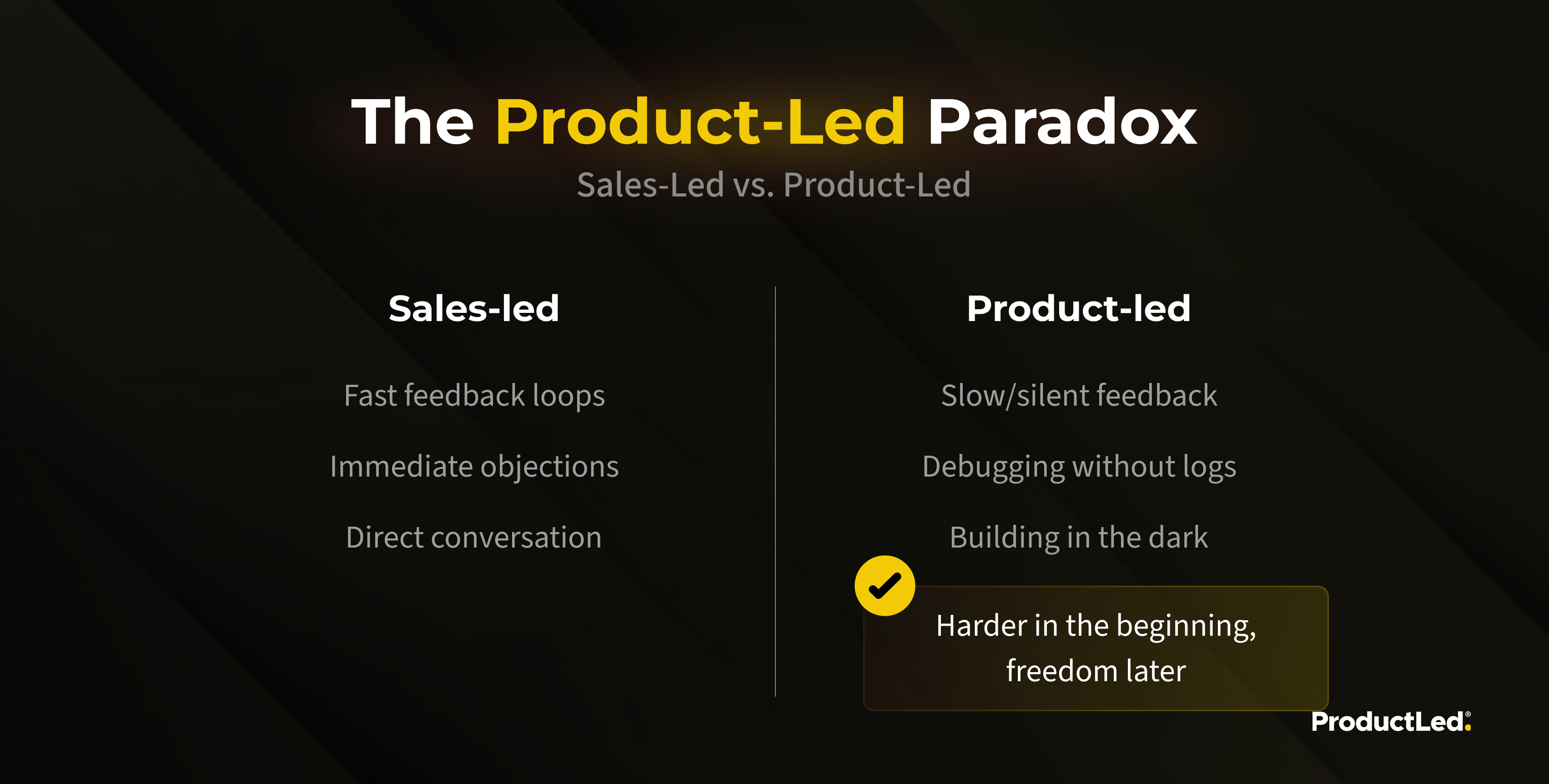
In sales-led companies, you get feedback fast. You hear objections on calls. You learn what confuses people right away.
In product-led, users often leave without saying anything. You see the numbers, but you do not always know why they dropped off.
Melissa compared it to debugging without logs. In sales, a prospect tells you what broke. In PLG, users just disappear. That makes learning slower and more stressful. You have to piece things together using analytics, recordings, tests, and the occasional interview.
Most Drop-Off Is Just Friction
When users disappear, it usually is not random.
It is friction.
Small moments where:
- the value is unclear
- the next step feels confusing
- setup takes too long
- the payoff feels too far away
One way to make sense of this is the WARP framework. It explains the most common reasons product-led funnels stall.
WARP stands for:
- Win Preference
- Activate Instantly
- Repeatable Leverage
- Pervasive Pain
Here is a simple view of the model:
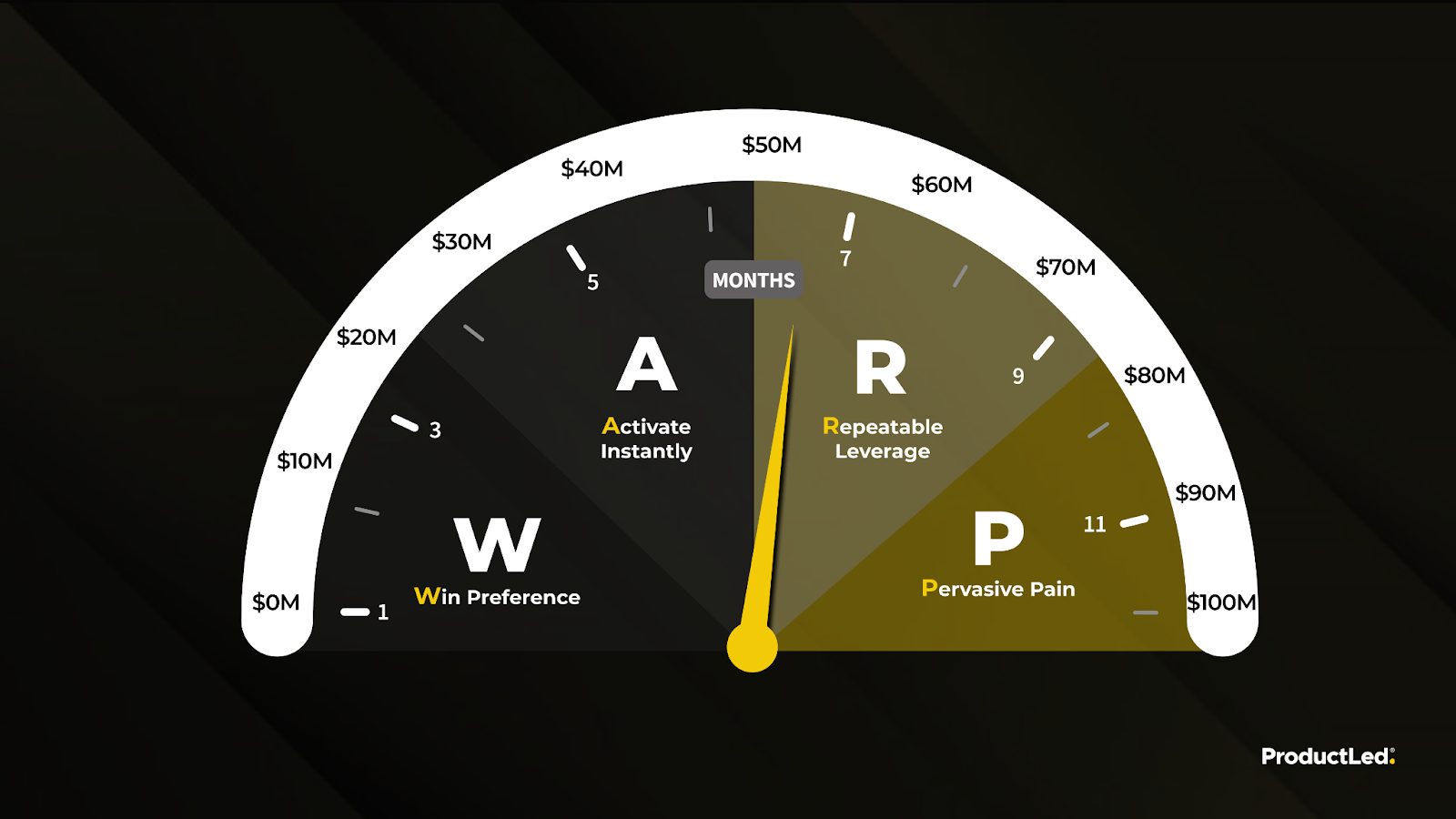
When one of these areas is weak, friction builds. When friction builds, users leave.
If you want help spotting where friction shows up in your own signup and onboarding flow, you can use this free audit to find the biggest friction points.
Lifestyle Design as Strategy: Building for Travel and Freedom
Melissa did not build eWebinar just to hit revenue targets. She built it to support a life she actually wanted.
She wanted freedom and flexibility. She did not want the business tied to her calendar or her location.
That goal shaped everything. The contractor model helped. The product-led approach helped. Even the way she handled sales and onboarding was influenced by the lifestyle she was aiming for.
She built the business around her life, not the other way around.
Burnout Symptoms Founders Miss: It's Not Just Exhaustion
Melissa talked about burnout in a way a lot of founders will recognize.
She was not working crazy hours. She was not collapsing from exhaustion. But something still felt wrong.

“I wasn’t burnt out in the traditional sense,” she said. “But I lost the motivation. I lost the inspiration. And it was gradual.”
That is what makes this kind of burnout tricky. It is not dramatic. It is slow. You keep working, but the spark is gone. You start feeling detached from the work that used to excite you.
The Hoffman Process and Unpacking Self-Doubt
To reset, Melissa did the Hoffman Process, an intensive eight-day personal development program.
She described it like a therapy retreat. It helped her spot patterns of negative self-talk and self-doubt that she did not fully notice before.
On the outside, she had built a successful business. On the inside, she was carrying a voice that questioned her decisions and drained her energy.
Doing that inner work helped her rebuild confidence in a deeper way. Not the kind of confidence that comes from hitting a milestone, but the kind that comes from self-awareness and clarity.
"Progress Is Quiet. Winning Is Loud." and the Mindset Shift to Sustain Momentum
One of Melissa’s strongest lines was this.
“Progress is quiet. Winning is loud.”
In the early days of PLG, progress often does not feel exciting. You might improve activation a little. You might reduce churn a bit. You might get one great user message that confirms you are on the right track.
Those wins are real, but they are not flashy.
This is where many founders give up. They mistake quiet progress for no progress. They pivot too early or lose steam before the compounding effect kicks in.
Melissa learned to watch for small signals and stay patient.
Building a Founder Community by Giving First and Curating Quality
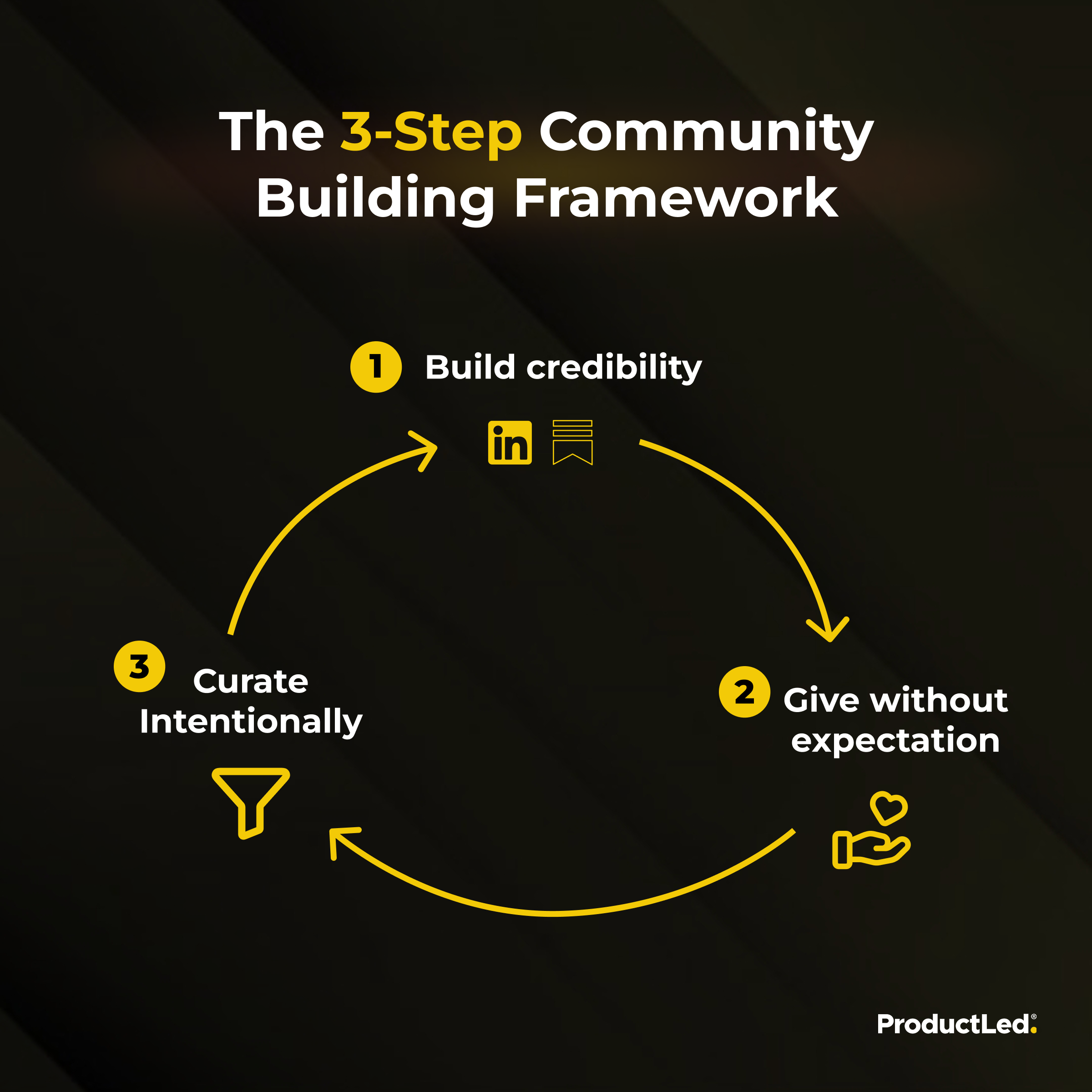
Melissa also built a strong founder community, and her approach was simple.
First, build credibility by sharing publicly. Write, post, and be real online.
Second, give first. Help people without expecting anything back.
“If you can help someone in their business, why would you not do that?” she said.
Third, curate carefully. Melissa runs an invite-only WhatsApp group. She focuses on quality because the group is only valuable if the people in it are thoughtful and serious.
The result is a trusted circle where she can ask a question and get helpful answers quickly.
Closing Advice: Retention First, Don't Neglect Customer Success
Melissa’s main advice is clear.
“Don’t forget your customer success motion. Getting customers to sign up and try it is not enough. That is the first date, not the last day with you.”
She explained that if people do not stay, all the work you do to bring them in is wasted.
Then she gave one last analogy.
You can have the best invite in the world, but if the party is bad, people will still leave.
Your product is the invite. Customer success is the party.
If you want growth that lasts, make the part after signup worth it.
Resources
- 🎯 eWebinar – Automated webinar platform: https://ewebinar.com
- 💼 Connect with Melissa Kwan on LinkedIn: https://www.linkedin.com/in/melissakwan/
- 💼 Connect with Wes Bush on LinkedIn: https://www.linkedin.com/in/wesbush/
- 💼 Connect with Esben Friis-Jensen on LinkedIn: https://www.linkedin.com/in/esbenfriisjensen/
- 🧠 Sign up for the ProductLed Newsletter: https://www.productled.com/newsletter
Want to Build Your Own Product-Led Success Story?
Melissa proved you don't need a traditional team structure or endless sales calls to build a thriving SaaS business. If you're ready to create your own version of product-led growth, one that works for your business and your life, we've got the resources to help:
👉 Book a Free Growth Session to get personalized advice on your biggest PLG challenges
👉 Join the ProductLed MBA™ and learn the proven frameworks that top product-led companies use to scale
👉 Download the ProductLed Playbook for free resources packed with PLG strategies you can implement today
👉 Subscribe to Our Newsletter for weekly insights on building smarter, not harder