The "Accidental" Origin: How a Client Project for a Toilet Showroom in Barcelona Turned Into Typeform
Sometimes the best products come from solving the most boring problems. For David Okuniev, co-founder of Typeform, that problem was creating an interactive form for a bathroom company's showroom in Barcelona.
"There was nothing intentional about building Typeform," David admits. What started as a client project with his co-founder Robert turned into something that would completely change how the world thinks about forms and surveys.
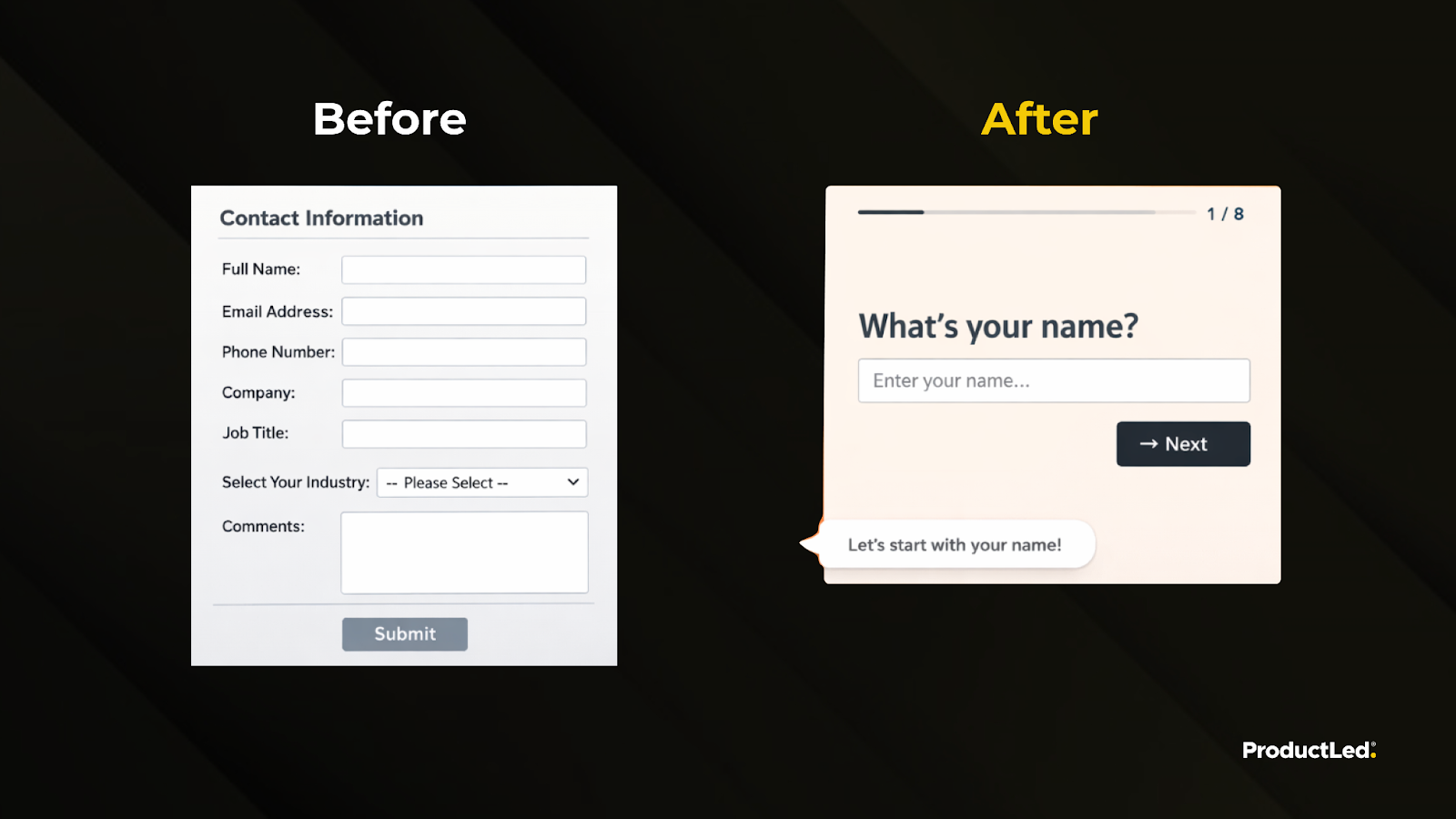
What made Typeform different wasn't just prettier design. It was a complete rethinking of how forms should work. Before Typeform, forms were just a laundry list of questions you had to fill out. Boring. Something you just had to get through.
Typeform pioneered the one-question-at-a-time format. They transformed a task everyone dreaded into something that actually felt interactive and even enjoyable.
The Viral Launch: Generating 8,000 Pre-Signups and Achieving Immediate Viral Growth Without Traditional Validation
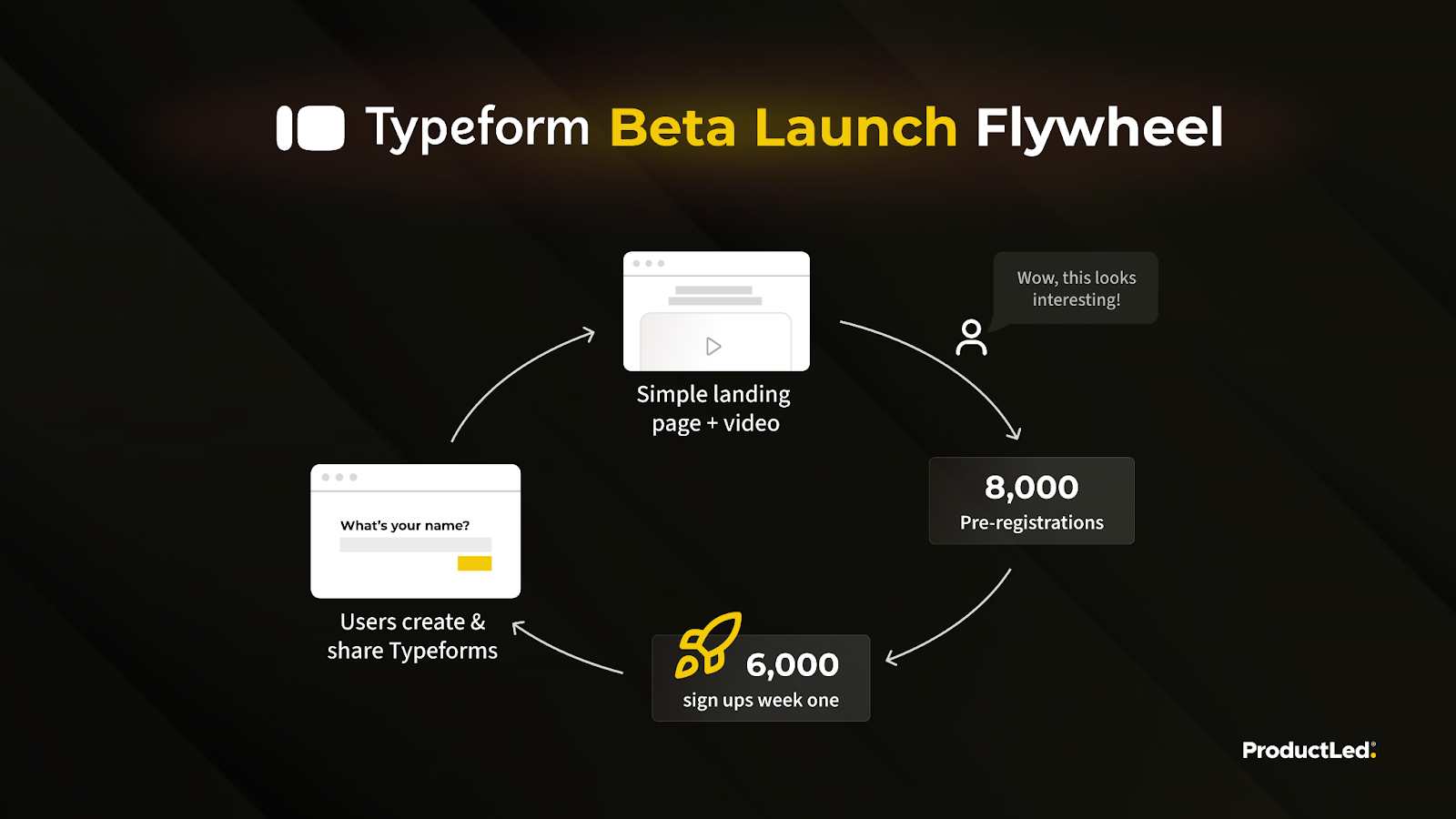
The breakthrough moment came when they launched their beta. After posting a landing page with a simple video of people walking around Barcelona filling out forms, they got 8,000 pre-registrations. When they actually launched, 6,000 people signed up in the first week and immediately started building their own Typeforms.
"I just remember a moment with Robert where we looked at each other and thought, fuck, this is going to be huge," David recalls.
The insight wasn't that people were actively complaining about existing solutions. They didn't even realize there was a problem until they saw the alternative.
"People said, 'Oh wow, why has no one thought of this before?'" David explains. "It wasn't so much that people had a problem. As soon as they saw this, they realized there was a problem."
The Taste Differentiator: Why Design Is the Only Way to Distinguish Yourself
In a world where anyone can build functional software quickly with AI assistance, design becomes the thing that sets you apart.
"In a world where it's just so easy to put things together and the language models are doing a lot of the heavy lifting, taste and design and being able to direct it is going to be the big differentiator," David explains.
He shares a recent example: "Over Christmas I started really getting hard on vibe coding. I built an end-to-end Swift app in the question of days, and the days was actually me just iterating on the design and trying to get it right. The coding was probably the fastest part."
But it's not just about visual polish. It's about having taste and being opinionated about what you want to build. "More than being a designer, you need to be a good tastemaker and know what you want."
The "Impulsive" Archetype: David's Approach to Building Products Based on Intuition Rather Than Validation
Throughout the conversation, a clear pattern emerges in how David thinks about building products. He describes himself as the "pioneer archetype." He's someone who thrives in the early stages of building and positioning a product, but gets restless when things shift to operations and optimization mode.
His playbook has three key elements:
Red Ocean Focus: Instead of chasing completely new markets, David goes after established categories that are ready for disruption. Surveys, video messaging, screen recording. These are all spaces where people are already spending money.
Design as Differentiator: The strategy isn't just about making things pretty. It's about rethinking the entire user experience from scratch.
High Virality Potential: Each product has natural word-of-mouth built in. People see your beautiful form, your video, your screen recording, and they want to know what tool you used.
David's advice for founders with a similar archetype? "You can validate so much faster now because you can build something that looks half-decent really quickly. Just try loads of ideas. Spend a month, two months, build 3 or 4 things, see what sticks."
The "Professional CEO" Trap: Why David Regrets Stepping Down and Why Founders Should Stay in the Driver's Seat
After six years as co-CEO of Typeform, David and his co-founder Robert stepped down, bringing in a professional CEO to lead the company at scale. Looking back, David considers this a mistake.
"In hindsight, I actually think it wasn't the best decision because what happened was that the company lost its design focus, went overly analytical, really slowed down in terms of innovation. And even the culture suffered."
His advice to founders facing similar pressure? "I would say stick at it. Define what kind of leader you're going to be. You can just put your hand up and say, look, I'm not this uber business leader that's going to solve all growth. What I've got is this energy to drive and love this company and love the product."
The reality is that founders bring something professional CEOs often can't: they're willing to bet everything. "The founder doesn't make those equations. The founder is supposed to fail and then pick themselves back up and do the next thing."
The Float Labs Model: How David Runs a Product Lab to Spin Out New Companies (Like Supercut)
After Typeform, David co-founded Float, a product studio focused on building design-led products from zero to the point where they can "float off by themselves."
Their first product, Supercut, is an AI-powered screen recording tool. Another established category ready for a design-first rethink. With over 1,000 customers, they're proving the model works.
The thesis is simple: build small, focused teams around world-class products in crowded markets. Differentiate through design and user experience. Then either scale them or move on to the next opportunity.
The Minimum Viable Team: Why the Modern Startup Only Needs a Designer, a Tech Lead, and a Marketer
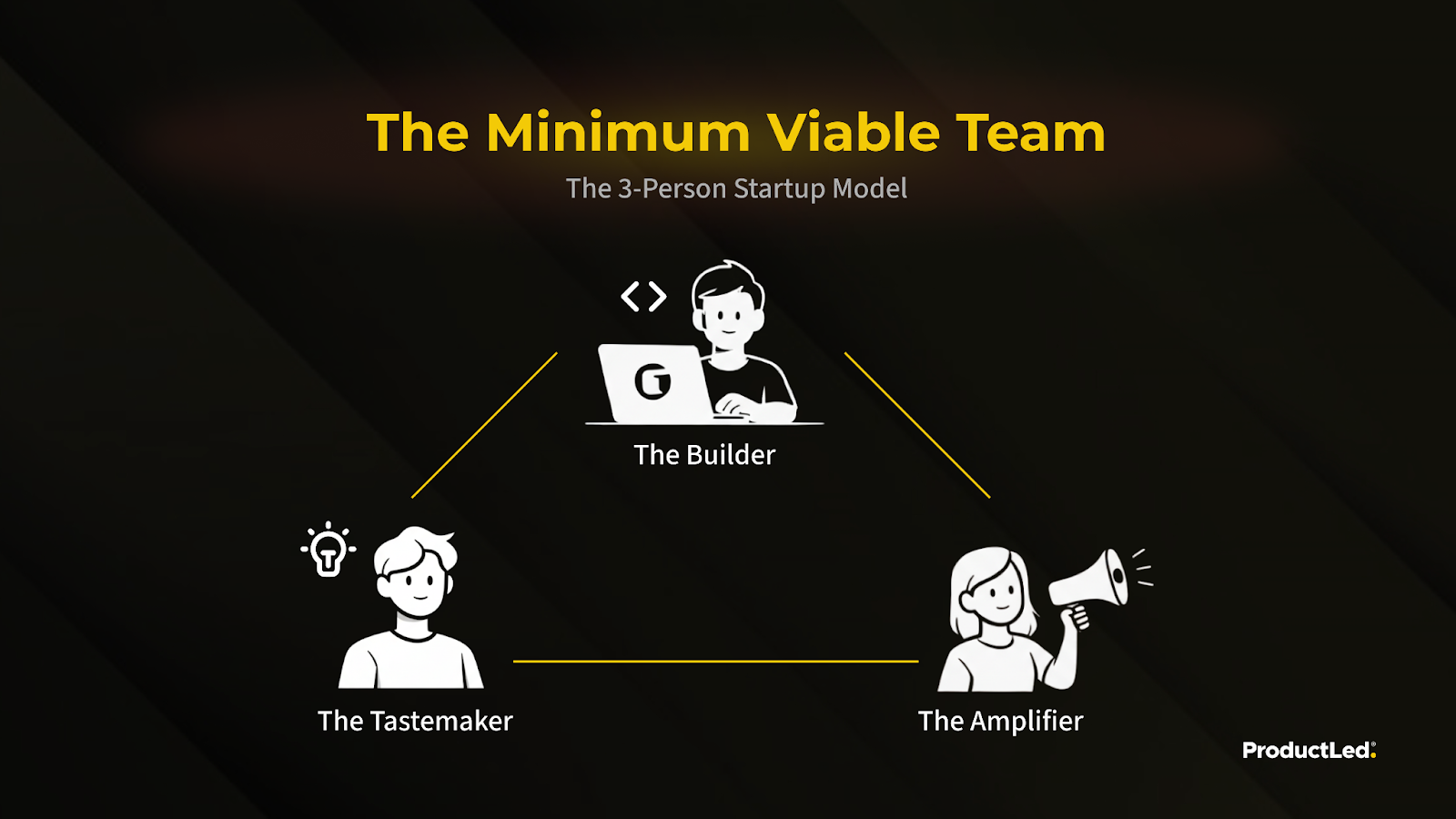
With tools like Claude Code revolutionizing development speed, David's vision for the ideal team has shrunk dramatically:
- A design-driven founder who can jump into code and understand it
- A founder with technical knowledge (an engineer)
- A marketing/business person
That's it. Three people who can move fast, maintain quality, and build multiple products.
"Having to deal with an organization—who really wants to do that?" David asks. "You just want to move fast and have maximum impact."
His team at Float currently has seven people, and they actively resist hiring more. "Every time we talk about hiring more people, we don't do it."
The "Tastemaker" Advice: You Don't Need to Be a Designer; You Just Need to Be Opinionated
With building becoming easier, the real competitive advantage shifts to taste, design, and getting your product in front of the right people.
David's core advice: "More than being a designer, you need to be a good tastemaker and know what you want."
For design-led founders who want to rethink established categories, this might be the best time in history to build. The tools are incredibly powerful, the barriers are lower than ever, and the world is hungry for software that doesn't just work but actually delights people.
"Now more than ever is like, wow, it's the Wild West," David reflects. "It's such a great time to build a company because you can just do it so easily. You don't need to raise that much money. You can just build something, put it out there, build an audience, and take it from there."
Resources:
- 🎥 Supercut: The AI-powered screen recorder - https://float.build
- 💼 Connect with David Okuniev on Twitter/X - @DavidOkuniev
- 💼 Connect with Wes Bush on LinkedIn - https://www.linkedin.com/in/wesbush/
- 💼 Connect with Esben Friis-Jensen on LinkedIn - https://www.linkedin.com/in/esbenfriisjensen/
Want to Build Your Own Product-Led Growth Engine?
If David's approach to building resonates with you, here's how to take your product growth to the next level:
👉 Jump into a Free Growth Session and get hands-on guidance
👉 Check out the ProductLed PLG System for a clear, step-by-step plan to grow faster
👉 Become a Top PLG Operator with the ProductLed MBA™ as a practical blueprint for mastering product-led growth
👉 Get the ProductLed Playbook (Free) to master the fundamentals of PLG
👉 Sign up for our Newsletter for weekly tips and ideas to scale smarter