AI is everywhere. It’s the buzzword in boardrooms, the headline in newsletters, the hype on social media. But here’s the truth: AI alone doesn’t make a company explode to $100M ARR. Something else is quietly doing the heavy lifting.
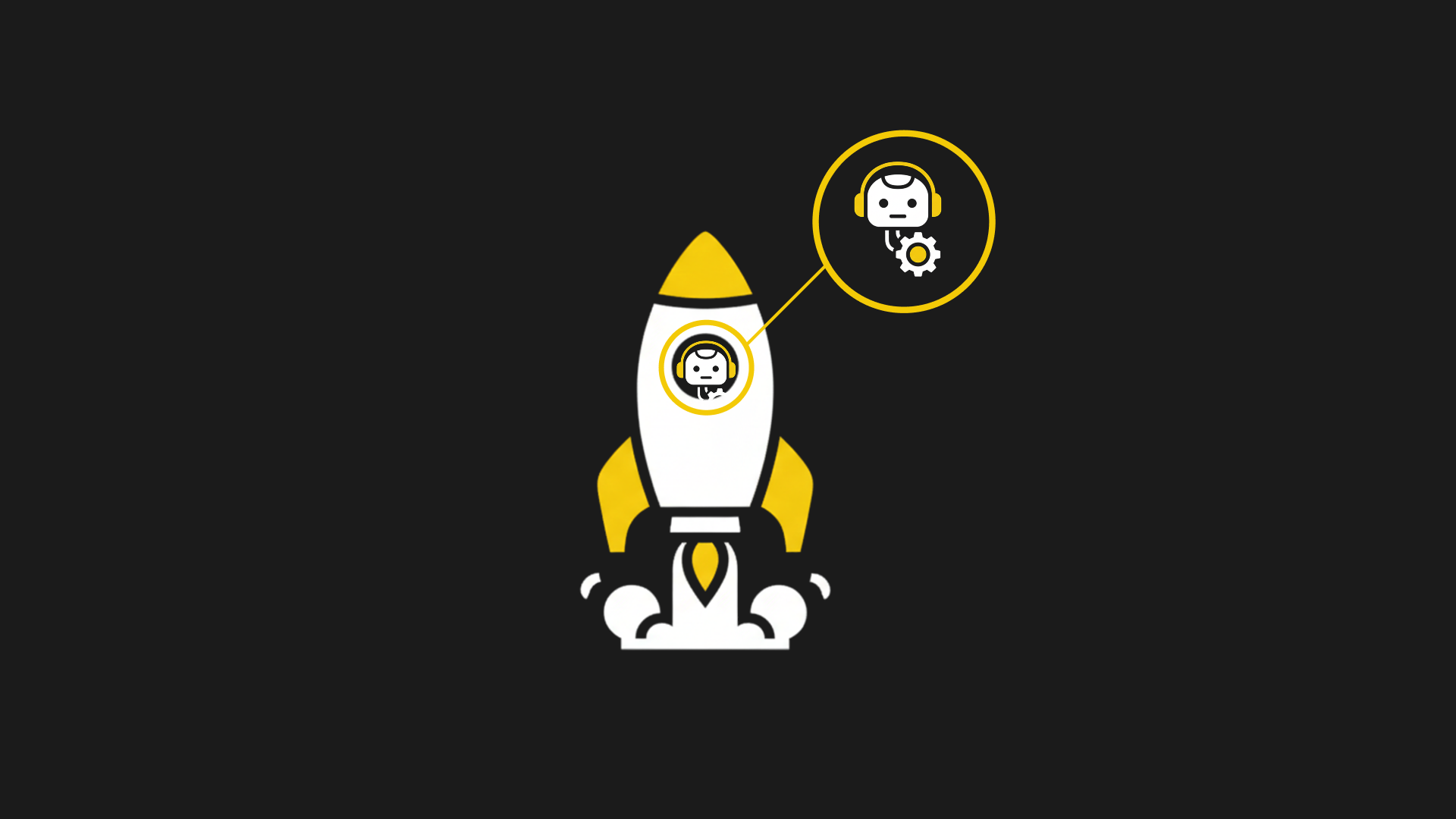
That “something” is Product-Led Growth. Without a self-serve product experience and instant time-to-value, even the smartest AI SaaS ideas stall. Think of it like this: AI is the rocket. PLG is the fuel. Without fuel, your rocket won’t leave the ground.
If you want a quick primer before diving in, we also break this down in a short video here:
The fastest-growing AI SaaS companies are combining smart AI workflows with strong growth loops to achieve hypergrowth.
Hypergrowth AI SaaS Companies Rely on PLG
Take a look at these numbers. They tell the story better than any hype:
| Company | Approx. Revenue Milestone | Time to Reach It | Notes |
|---|---|---|---|
| Cursor | ~$100M ARR | ~12 months (from $1M to $100M) | Fastest-known SaaS to hit $100M. Targeting developers with a low ACV product — ideal for PLG. |
| Lovable | ~$100M ARR | ~8 months | Swedish AI company, explosive growth in under a year. Details on customer mix are light, but scale is undeniable. |
Could a traditional sales-led SaaS hit $100M in under a year? Even with an elite outbound team, probably not. This growth only happens when the product is instantly usable, onboarding is smooth, and users expand organically. That’s PLG. Not flashy marketing or endless sales calls.
If you want to see how PLG can work for your AI SaaS, book a Free Growth Session with our team.
What You’ll Learn in This Article
- How to use AI to make yourself and your team radically more effective
- How AI and PLG amplify each other when done right
- How to design products, pricing, onboarding, and growth loops for this new era
AI gets your foot in the door. PLG makes sure you scale.
Part 1: Get More Done with AI
This isn’t about flashy prompts or hacks. It’s about working faster, smarter, and more focused.
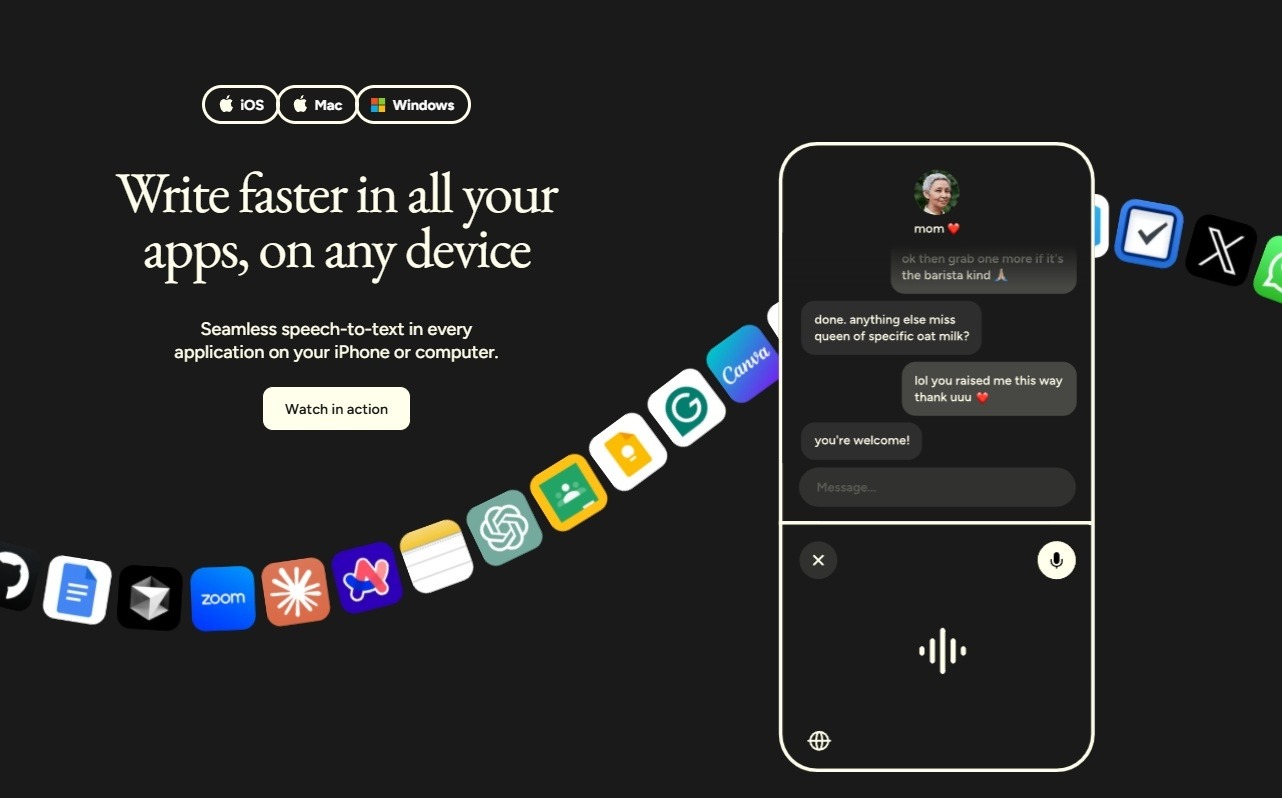
1. Dictate Instead of Typing
Tools like WisprFlow capture your spoken ideas instantly. Talking is faster than typing. For more ways to accelerate your workflow, check out these workflow examples.
2. Record and Search Everything
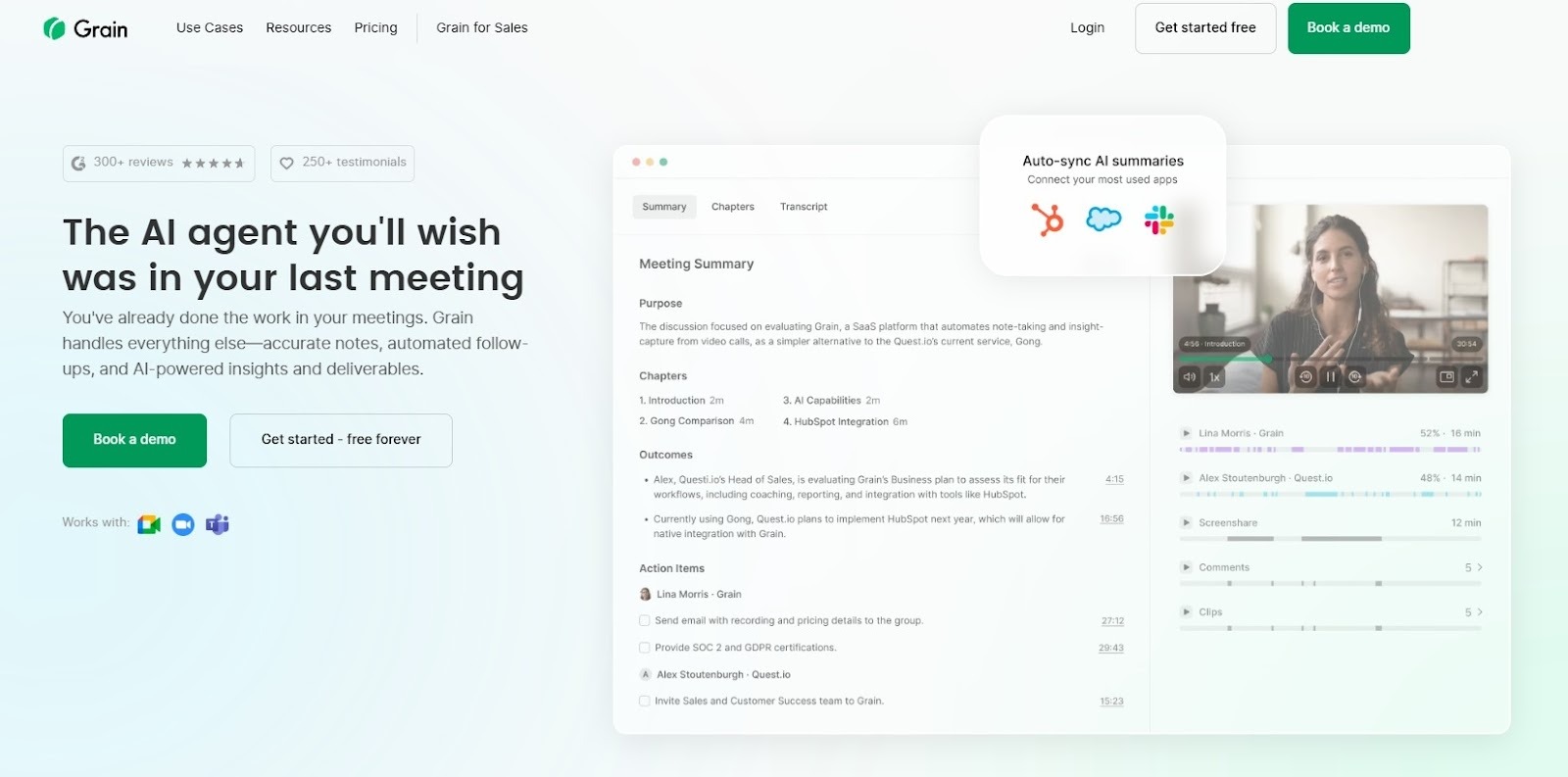
Most teams lose their best insights because meetings are forgotten. Tools like Grain, Fathom, and Granola record meetings automatically and make everything searchable. Never lose an idea again.
3. Build an AI Advisory Board
Instead of hiring more people, build AI assistants for key roles:
- Chief People Officer: Analyze team dynamics and conflicts
- Chief Strategy Officer: Train AI on decision-making frameworks
- Chief Financial Officer: Flag trends, anomalies, and opportunities in your P&L
These AI assistants help your team move faster, reduce mistakes, and make smarter decisions. You can see real workflow examples in AI-enhanced PLG strategies.
4. Learn Faster on the Go
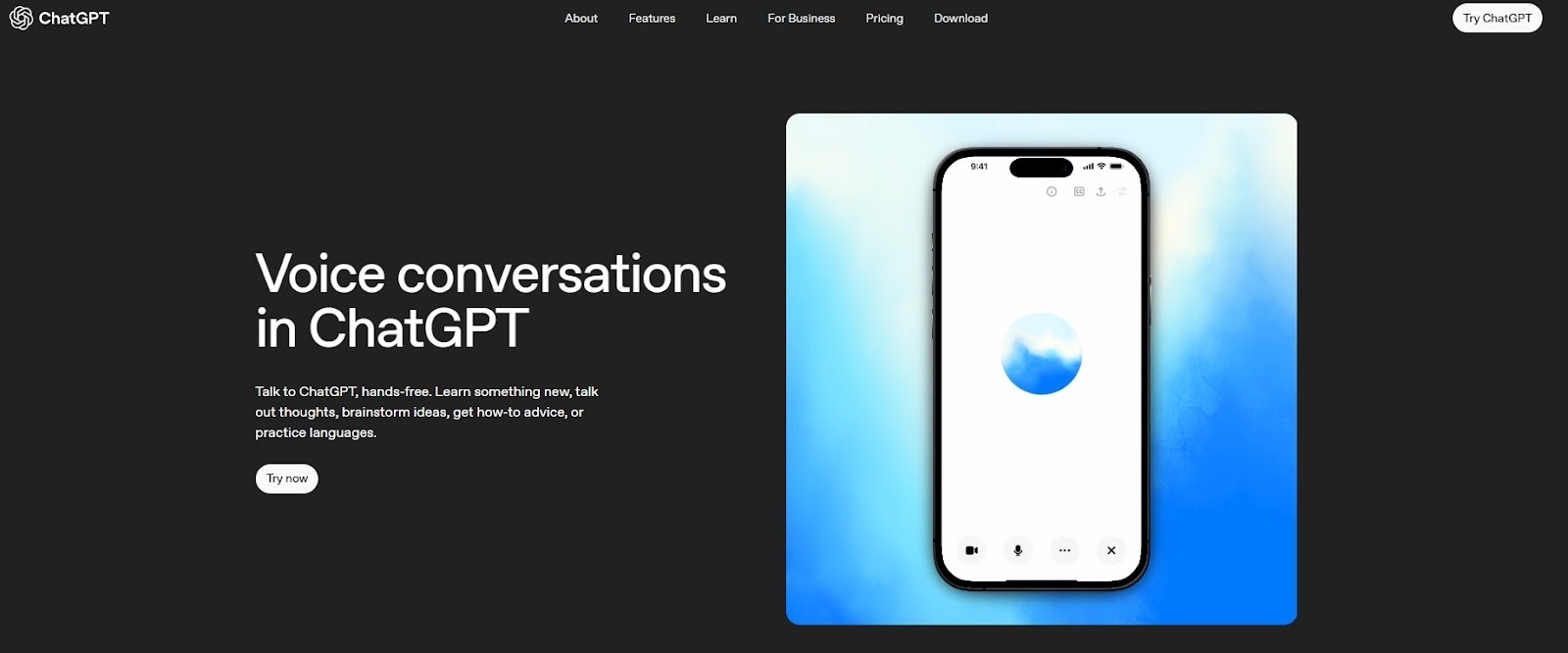
Use ChatGPT Voice Mode or Perplexity to learn while walking, waiting, or even commuting. Turn downtime into growth.
5. Automate Repetitive Workflows
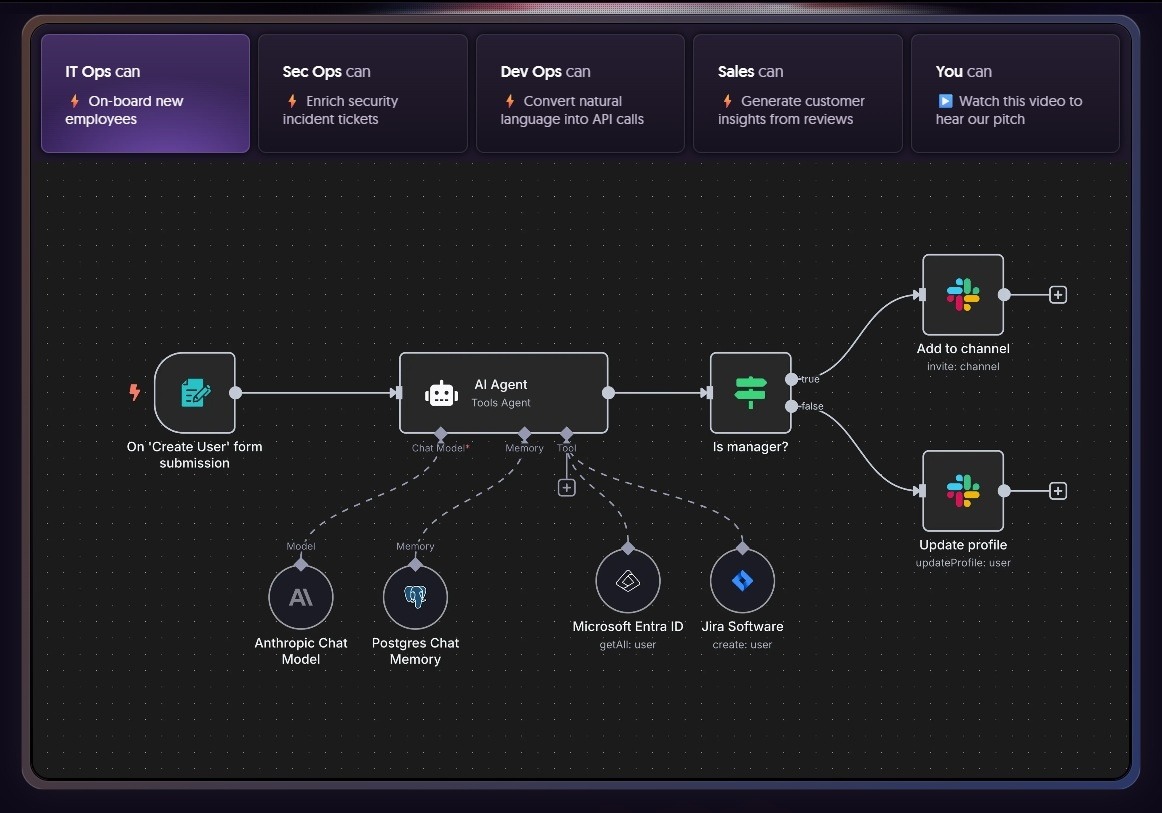
Tools like Lindy, Zapier, and n8n help you go beyond simple tasks:
- Detect churn risk signals in customer calls
- Auto-respond to leads with personalized messages
- Audit and refresh old blog content
- Turn a single idea into multiple content formats (LinkedIn post, newsletter, YouTube script)
Ask yourself: why am I still doing this manually?
6. Scale Expertise with Custom GPTs
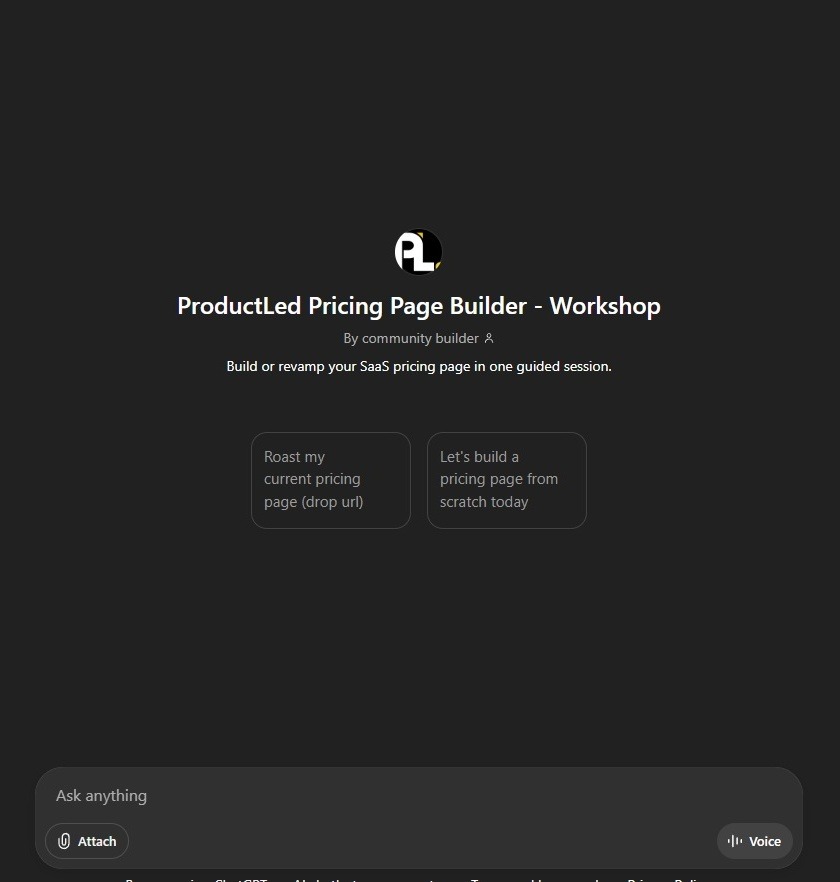
Build GPTs for every critical function including onboarding, messaging, pricing, and customer support. These are not toys. They help your team move ten times faster with fewer mistakes.
Some examples include:
- Auto-generate personalized onboarding flows
- Suggest pricing strategies based on historical data
- Write draft responses for support or marketing
Templates and guides are available in our free resources.
These six strategies alone can boost effectiveness by 30 to 40 percent. The real power comes when you combine them with Product-Led Growth.
Part 2: Combine AI and PLG to Grow Faster
AI and PLG feed off each other. When done right, they drive acquisition, activation, and retention like nothing else.
1. Onboard with AI
Modern onboarding asks users what they want and configures the experience instantly. For techniques on aligning onboarding with core metrics, the concept of your North Star Metric is useful to guide design decisions.
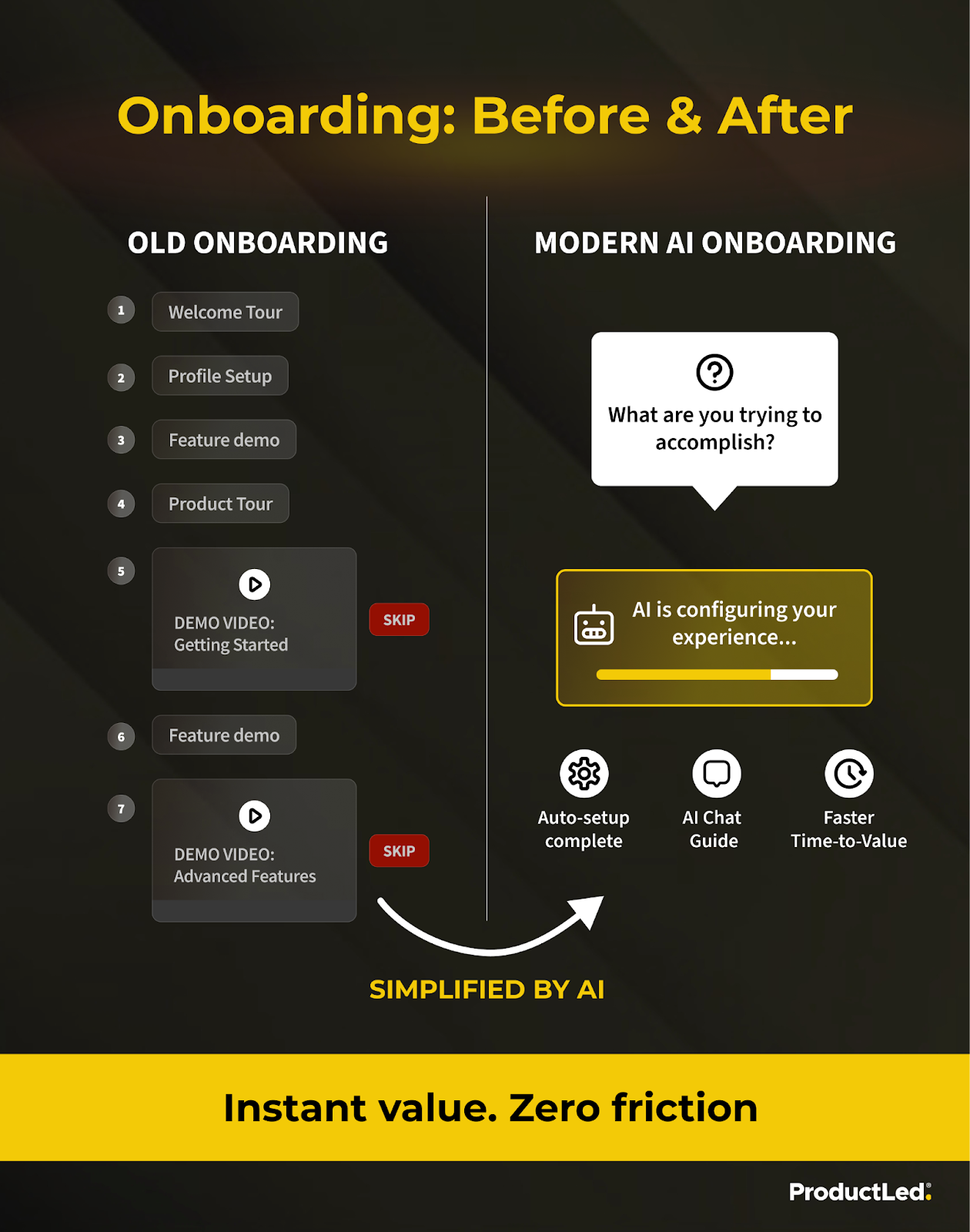
Make this actionable:
- Replace your product tour with a single question: "What are you trying to accomplish?"
- Use that input to auto-setup the experience or guide them with AI chat
- Measure time-to-first-value instead of feature adoption
2. AI Pricing and the Evolution of Free Models
AI changes your cost structure. You are delivering work, not just software, and every task consumes real compute resources. Pricing is evolving in three stages:
- SaaS is the classic model where users pay per seat.
- Work as a Service (WaaS) charges for tasks completed, such as generating content or resolving tickets.
- Results as a Service (RaaS) charges for outcomes, such as qualified leads, resolved issues, or closed deals.
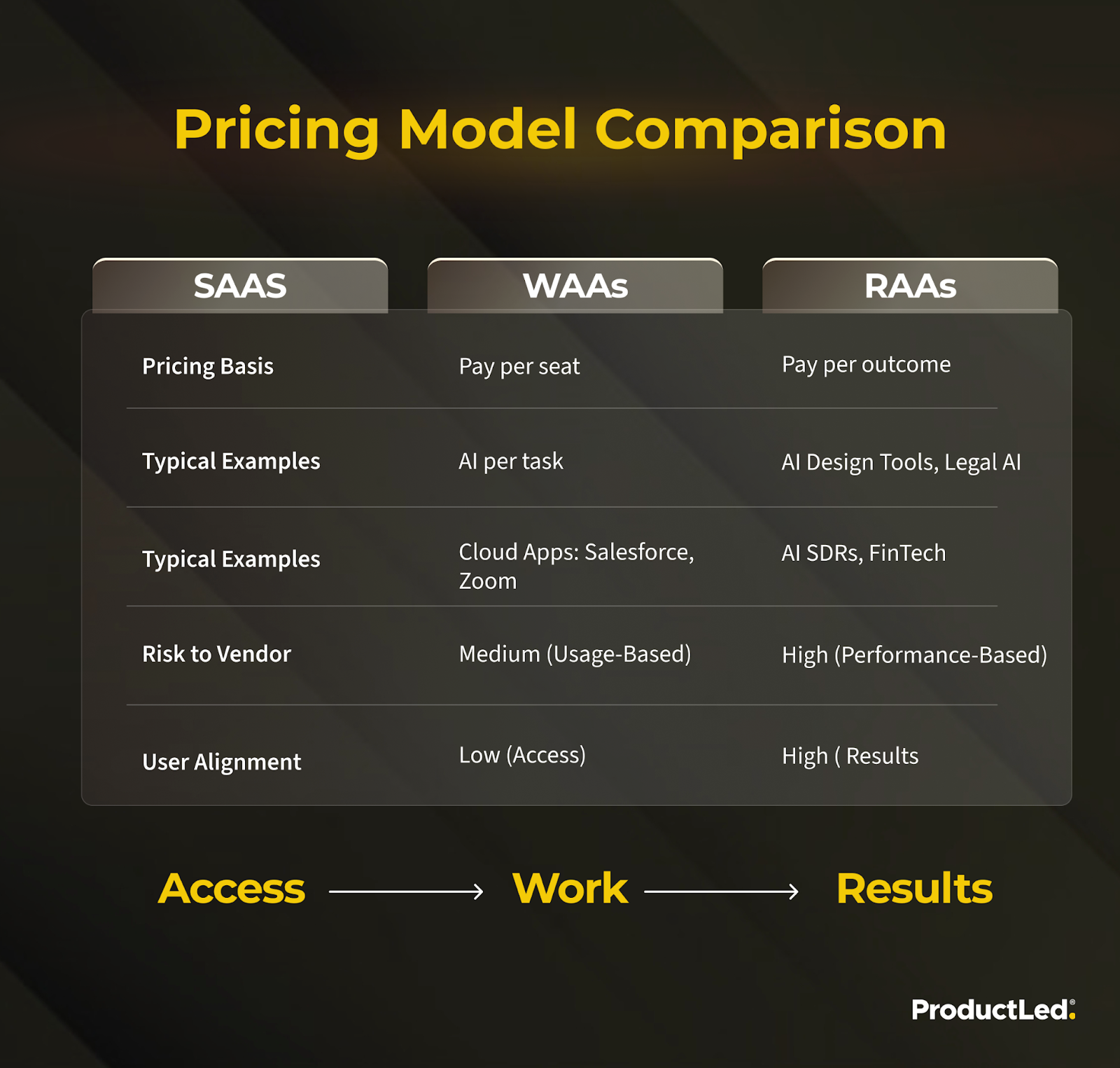
The more you tie pricing to outcomes, the more aligned you are with your users, but also the more risk you absorb. Not every company can or should move straight to Results as a Service. WaaS is often the most achievable middle ground for most AI-native products. RaaS only works when outcomes are clearly measurable and directly attributable. SaaS is still effective if your product is infrastructure-like or deeply embedded.
Make this actionable:
- Map out the value your product delivers. Is it tasks, outcomes, or ongoing access?
- Determine where the real leverage is and what you are comfortable being accountable for
- If using credits, assign one credit per task, for example, one post generated or one file analyzed, to keep cost and value aligned
3. Rethink Free: Freemium Models in AI
In traditional SaaS, free users were cheap. In AI products, free users can be expensive because every prompt, API call, or generation has a real cost. Free access is still powerful, but you must offer it smartly.
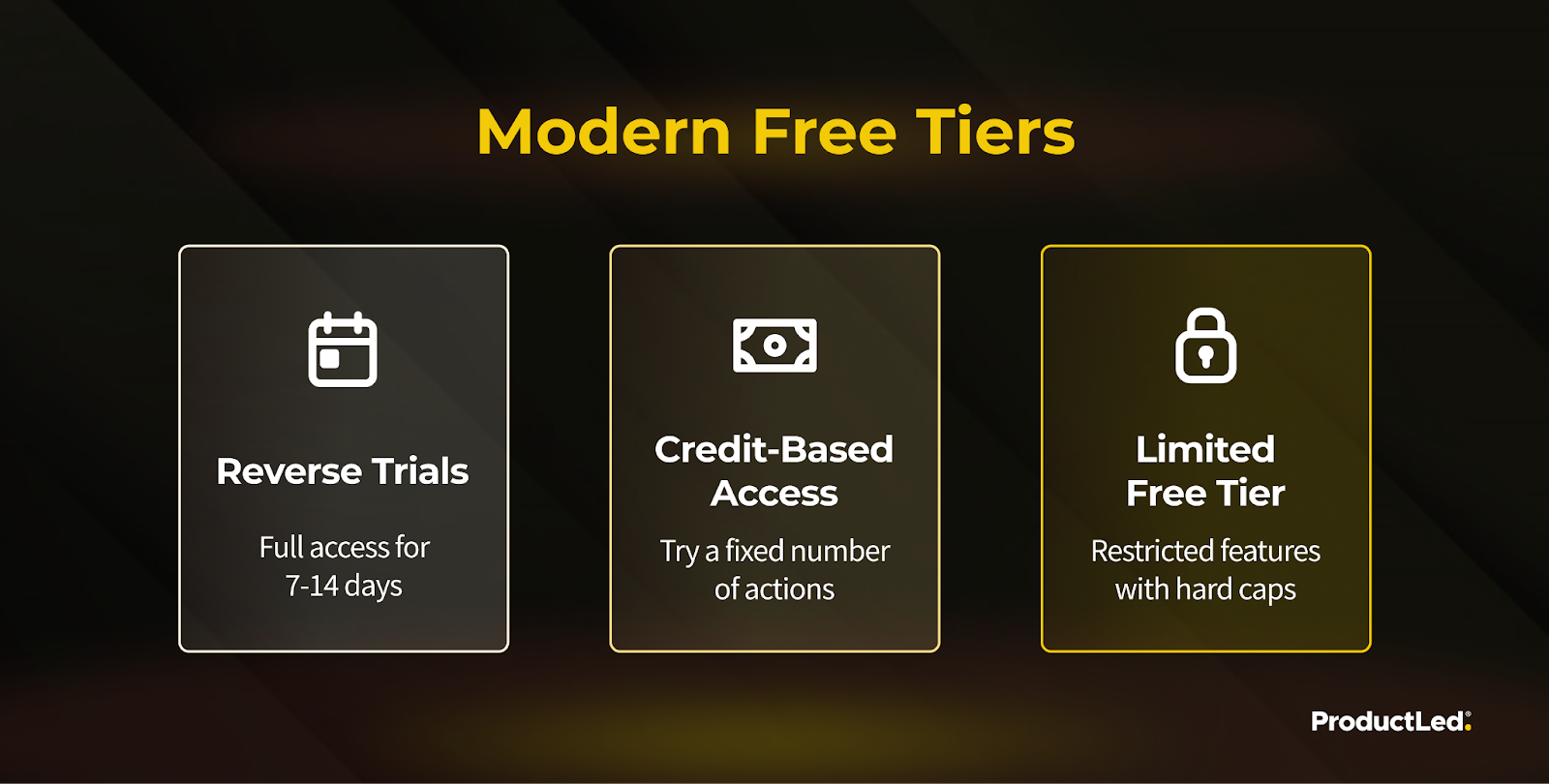
New Free Model Options:
- Reverse Trials: Full access for seven to fourteen days, then ask users to pay
- Credit-Based Access: Allow users to try a fixed number of actions before hitting a paywall
- Limited Free Tiers: Provide restricted functionality with strict usage caps
Make this actionable:
- Audit your product’s cost per user action
- Identify your users’ "aha" moment and provide just enough access for them to reach it
- Start with a generous free experience, but limit usage to manage costs
Watch Out:
- Do not let your free tier cannibalize paid plans
- Avoid confusing "free forever" with "free until users are hooked"
- The goal of free is conversion, not generosity
4. AI Support: Automating Most of Your Customer Service
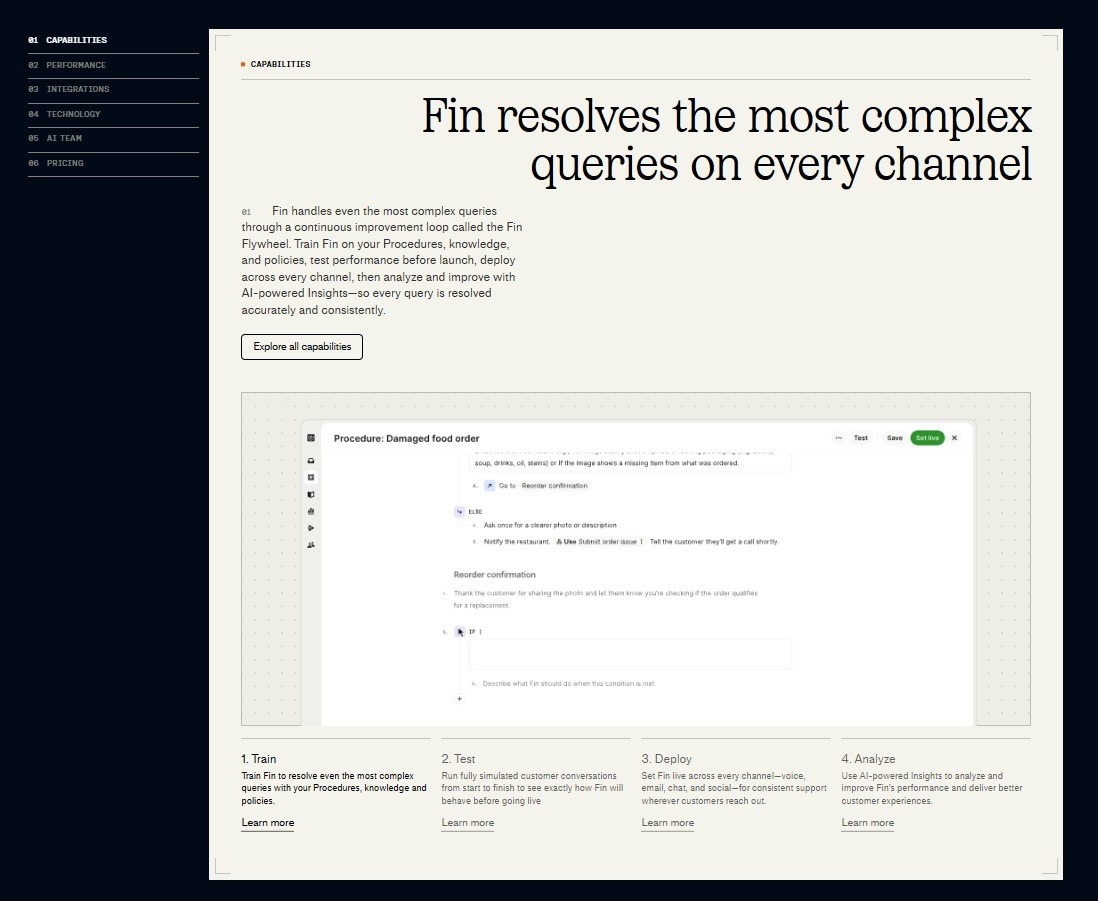
If your team still resolves most support tickets manually, you are behind. Tools like Fin can automate routine tickets and allow your team to focus on complex or high-value interactions.
Make this actionable:
- Implement AI support that learns from your documentation and past tickets
- Route only complex or sensitive issues to humans
- Track resolution rates and customer satisfaction to maintain quality
5. AI Search: The New Discovery Layer
AI-driven search changes how people find products. Expect lower traffic volume but higher conversion because visitors are more qualified.
Make this actionable:
- Optimize content for AI results and traditional SEO
- Provide clear, structured information that AI can parse
- Build authoritative content around specific use cases and outcomes
6. Let Anyone Prototype Ideas
When everyone can design and test ideas, growth loops expand exponentially.
Make this actionable:
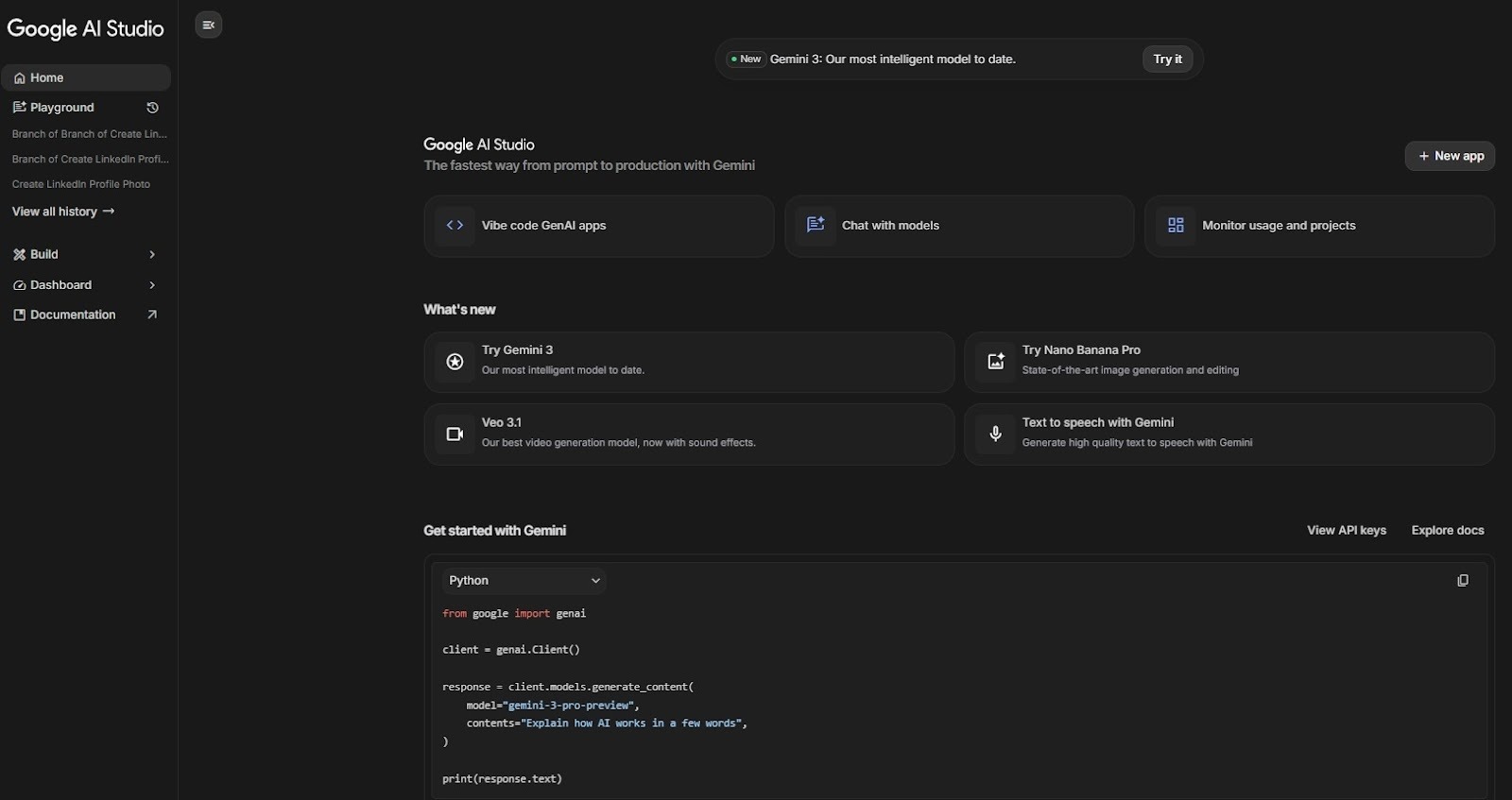
- Use tools like Lovable or Google AI Studio to let non-designers prototype onboarding flows or experiments
- Run internal hack weeks where team members propose and demo improvements
- Build a culture where testing ideas is valued over debating
7. Use AI to Drive Expansion
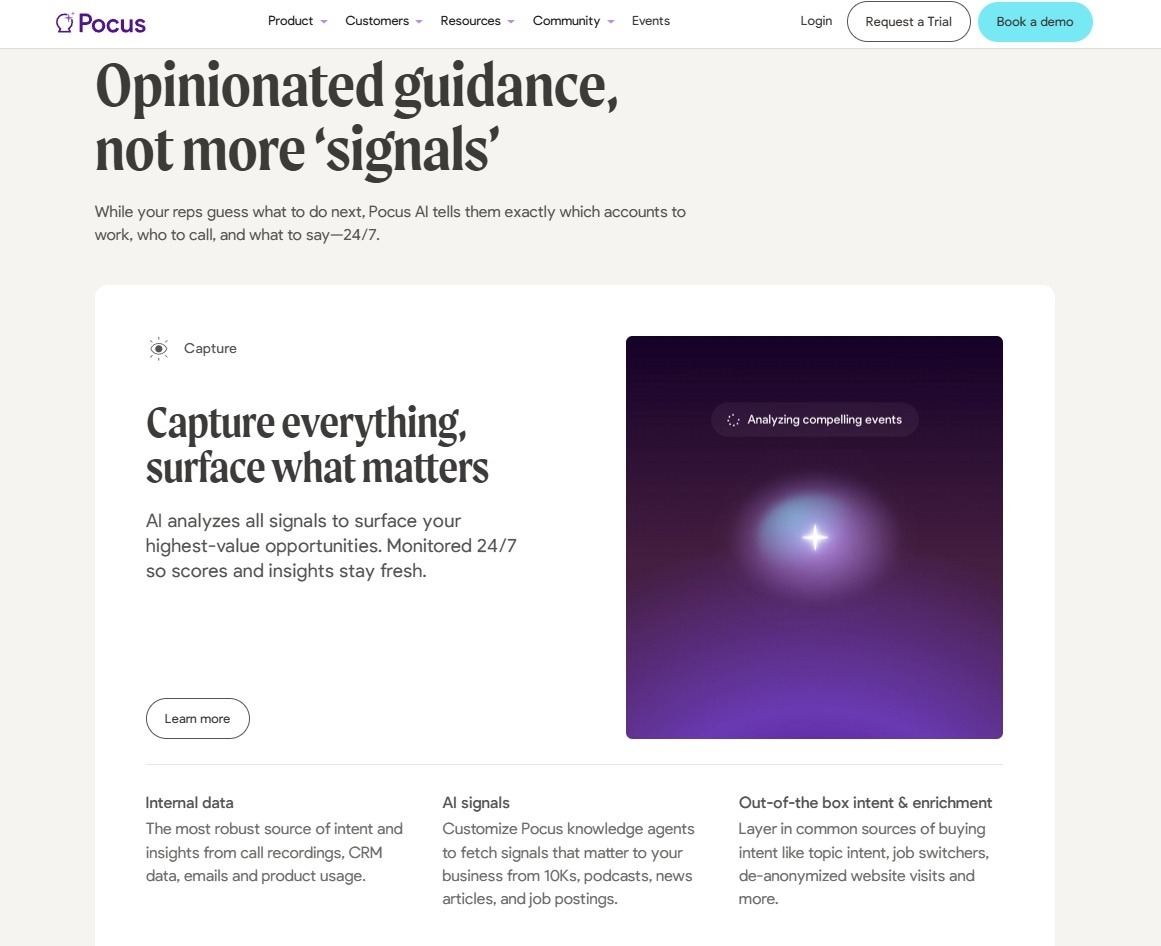
AI also drives upsell and expansion.
Make this actionable:
- Track usage signals that indicate upgrade potential with tools like Pocus
- Reach out with in-app prompts, personalized offers, or contextual messages
- Train AI agents to nudge users based on behavior, not quotas
PLG expansion depends on relevance and timing. AI provides both.
PART 3: How to Thrive in the AI and PLG Era
This era has new rules. Here is how to adjust your mindset, team, and product to stay ahead.
1. Hire AI-Native Employees
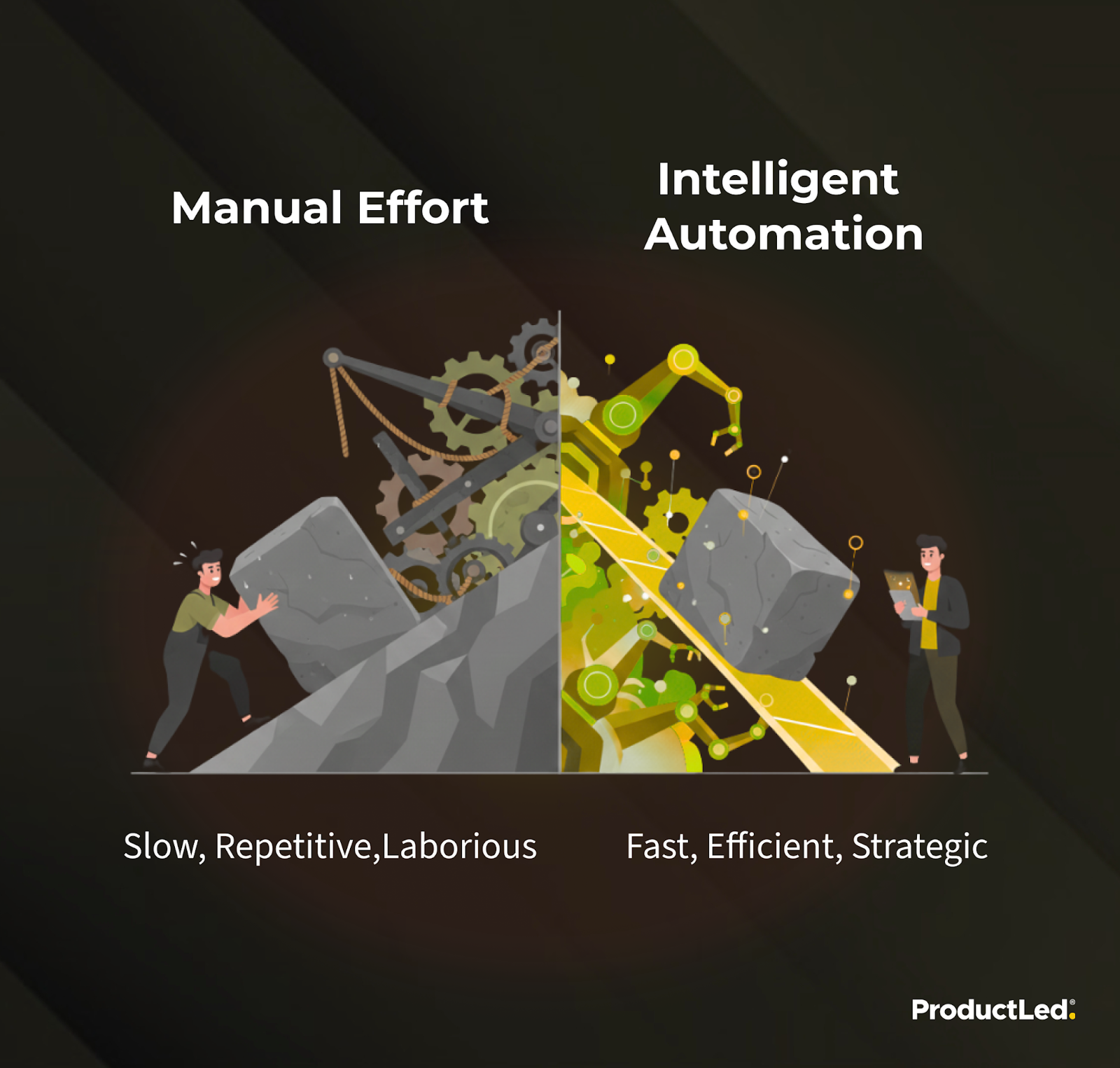
Old mindset: Hire a person to solve a problem.
New mindset: Hire someone who builds the solution using AI.
Make this actionable:
- Prioritize candidates who can create internal AI agents or automations
- Ask in interviews: "What's one thing you've automated using AI?"
- Look for curiosity and experimentation, not just technical skills
AI-literate employees pay for themselves in weeks, not quarters.
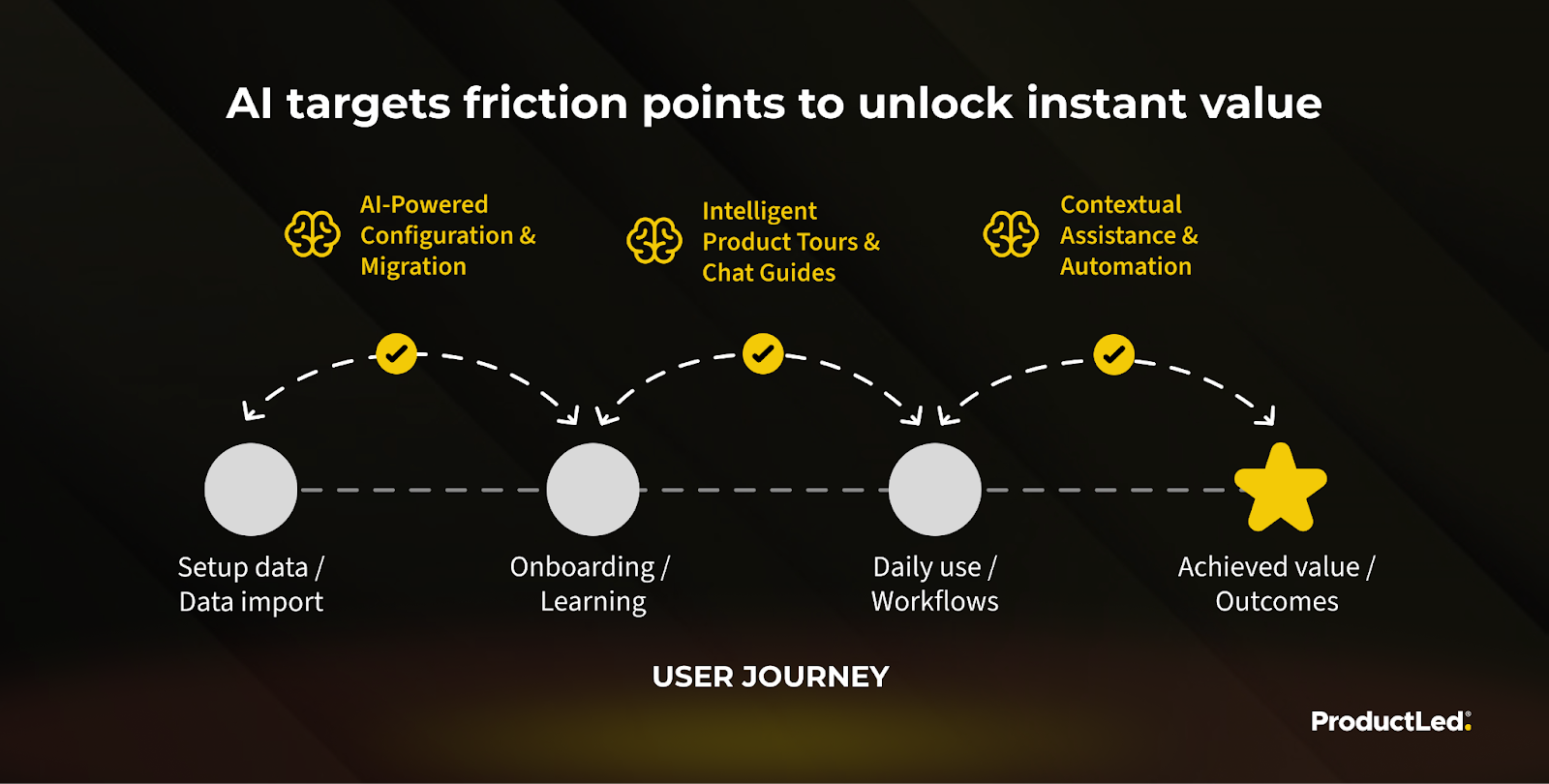
2. Use AI Where the Product Fails
Identify the biggest hurdles to value in your product and deploy AI to remove them.
Make this actionable:
- Audit your product for friction points: setup, configuration, data import, learning curve
- Ask: Can AI remove this step entirely?
- Prioritize the barriers that cause the most drop-off
AI isn't a feature. It's a fix.
3. Redesign Your UX for Outcomes, Not Usage
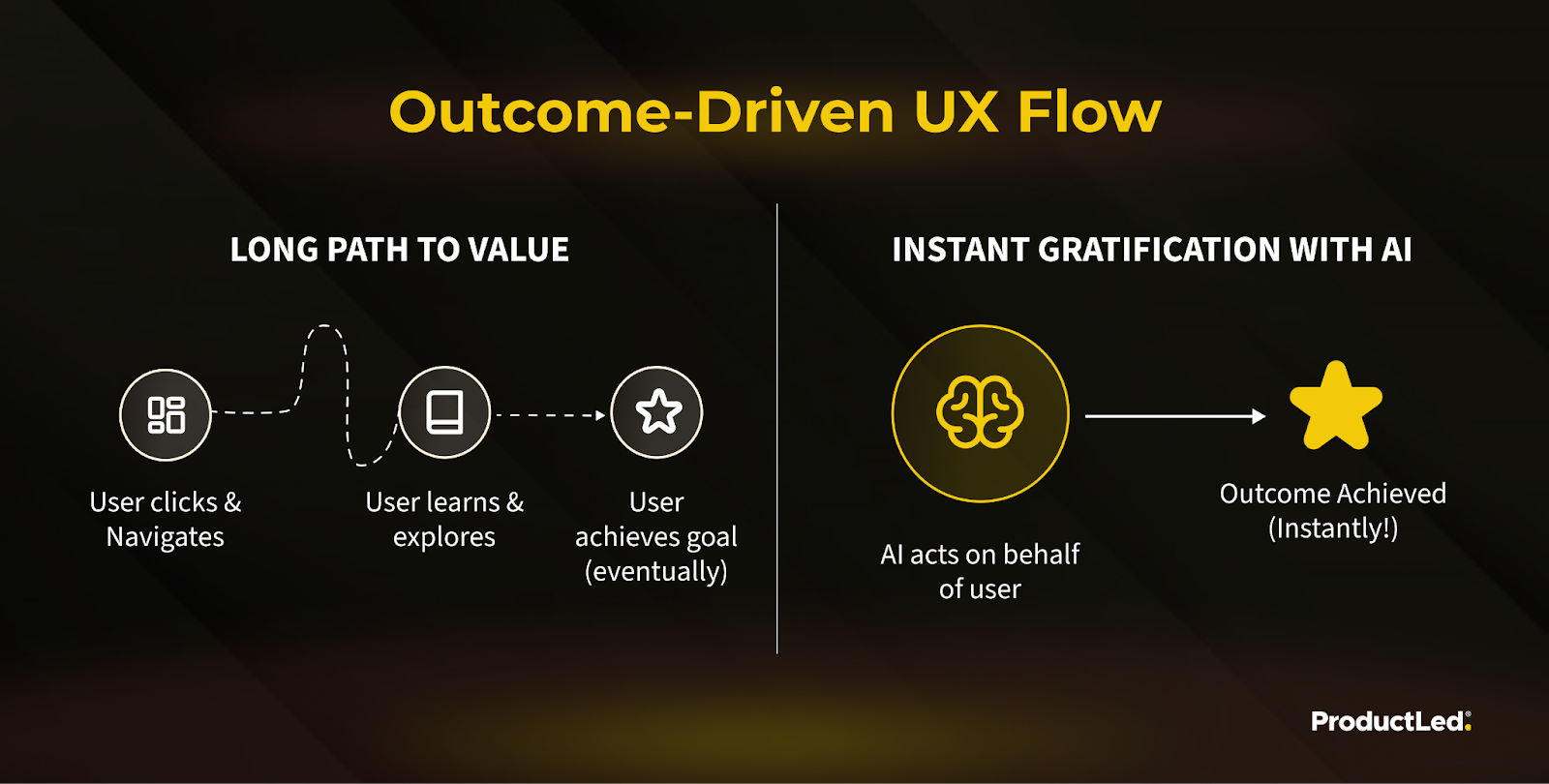
Stop asking users to learn your tool. Let AI use the tool for them.
Make this actionable:
- Shift from workflows → outcomes
- Change your messaging from "We'll help you do XYZ" → "We'll do XYZ for you"
- Measure success by outcomes achieved, not features used
The best UX is invisible.
4. Build AI With Your Unique Advantage
Your proprietary data and expertise are your moat. Generic AI is easy to copy; specialized AI is defensible.
Make this actionable:
- Fine-tune AI agents on your data and use cases
- Build purpose-built AI for your audience
- Invest in the data flywheel: more usage leads to better AI, better product, and more usage
5. Put Humans Where They Add Leverage
Humans should intervene where nuance and trust matter. Designing touchpoints with this in mind benefits from insights on data-driven product alignment.
Make this actionable:
- Audit touchpoints to see if a human adds clarity or just slows things down
- Keep humans in the loop for high-stakes decisions and relationship building
- Use AI to augment human judgment, not replace it
🎯 Final Takeaway: You Need Both
AI removes friction. PLG drives scale. The fastest-growing companies use both to deliver instant value and scale to millions of users.
But none of this matters if your product isn’t at least four times better than what’s already out there. AI and PLG amplify your advantage, but they don’t replace product excellence.
The formula is simple:
- Use AI to remove barriers to value
- Use PLG to remove barriers to adoption
Together, they give you a serious edge. A good way to start is by picking just one change from each approach. You might be surprised how quickly small steps can add up.
Next Steps
Want to see this in action for your business?
👉 Jump into a Free Growth Session and get hands-on guidance
👉 Check out the ProductLed PLG System for a clear, step-by-step plan to grow faster
👉 Sign up for our Newsletter for weekly tips and ideas to scale smarter