Most teams say they want to build a “great product.” Fewer can explain what that means in practice, and even fewer can scale it across a company.
In this episode, Nathan Barry (CEO of Kit) breaks down a simple but demanding approach: stay relentlessly close to customers, build for real outcomes, and remove friction wherever it hides. Underneath that is a deeper theme that shows up in every example: the best product decisions come from understanding how people actually work, not just what they click.
Below are the core ideas worth stealing, especially if you are trying to build a product-led business in a competitive market.
Kit’s transparency as a growth lever
Transparency is often framed as a values statement, but it can also be a practical growth advantage.
When a company openly shares what is working, what is not, and how the business is performing, it creates trust with customers and clarity inside the team. Externally, it reduces skepticism. People can see the trajectory and the tradeoffs. Internally, it tightens execution because the team has fewer places to hide behind vague narratives.
Transparency also improves learning. The more specific the context, the easier it is for others to apply the lesson to their own business. That is one reason Kit’s public metrics and candid updates have resonated for years: they turn “advice” into something operational.
The “successful product” flywheel
Instead of a rigid definition of product success, the operating model matters more:
- Build the best product possible for the target customer.
- Remove friction at every point that delays value.
- Keep repeating that loop so momentum compounds.
This flywheel is deceptively simple. The hard part is avoiding distractions that feel productive but do not move the loop forward, like shipping features that look impressive in a roadmap but do not meaningfully improve outcomes.
A key nuance here is that the flywheel depends on proximity to the customer. Without that, “best product” becomes guesswork and “remove friction” turns into generic funnel optimization.
Get closer than analytics can take you
Analytics can tell you what happened, but it rarely explains why a customer feels stuck.
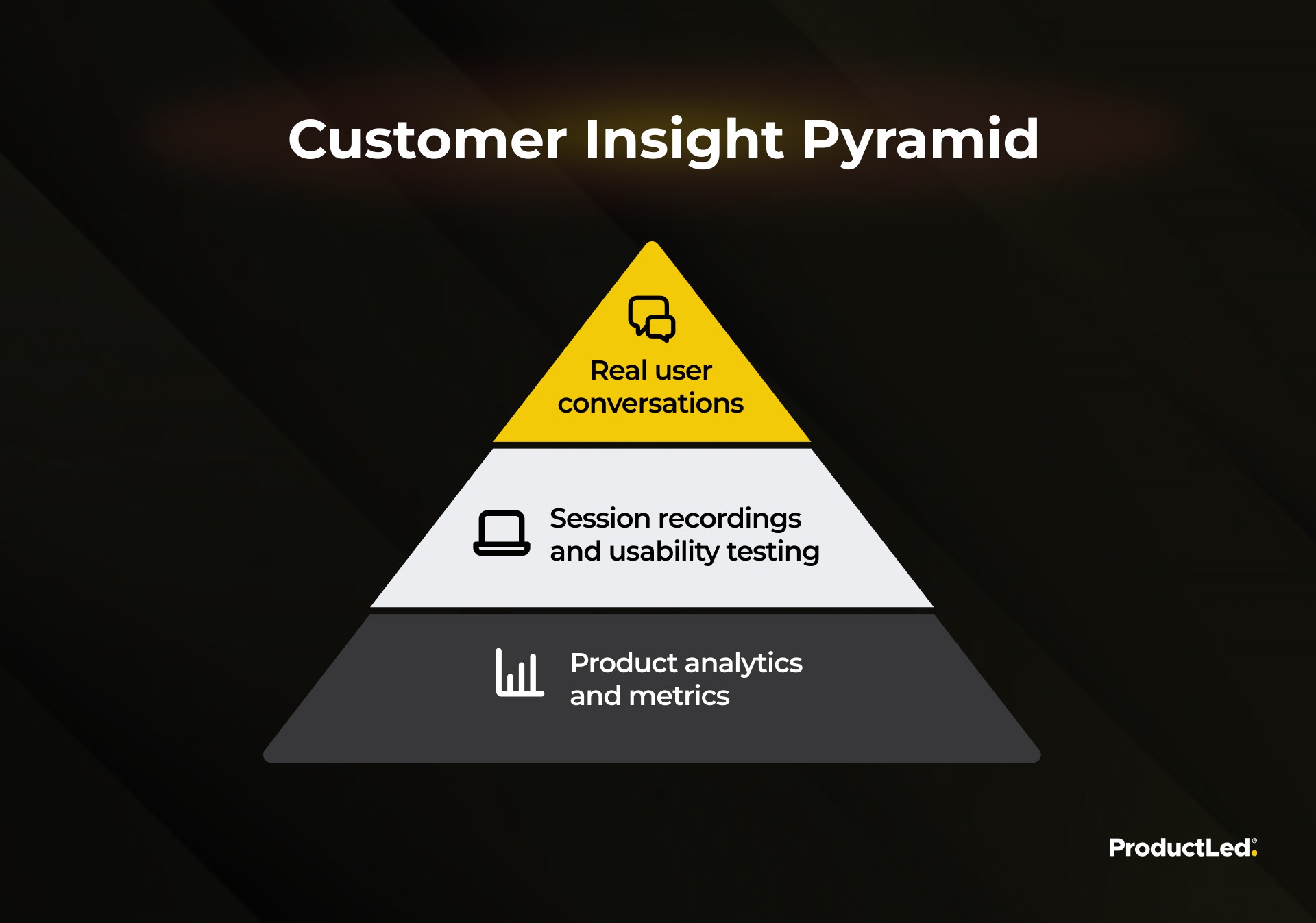
Kit still uses data to drive decisions, like pushing annual plans and changing the percentage of customers who choose them. But the highest leverage insights often show up in informal, human contexts: listening to how creators describe their workflows, noticing the tiny annoyances they have normalized, and catching the details that never make it into a formal feature request.
That last point is critical. Many of the product improvements that drive word of mouth are too small to rise through a standard “top requested features” process. They are not the Shopify integration that gets asked for 200 times. They are the paper cuts that make someone say, “This tool just gets me.”
If product-led growth is fueled by people telling other people, these small moments matter more than most teams admit. That is also why a strong product adoption strategy matters so much.
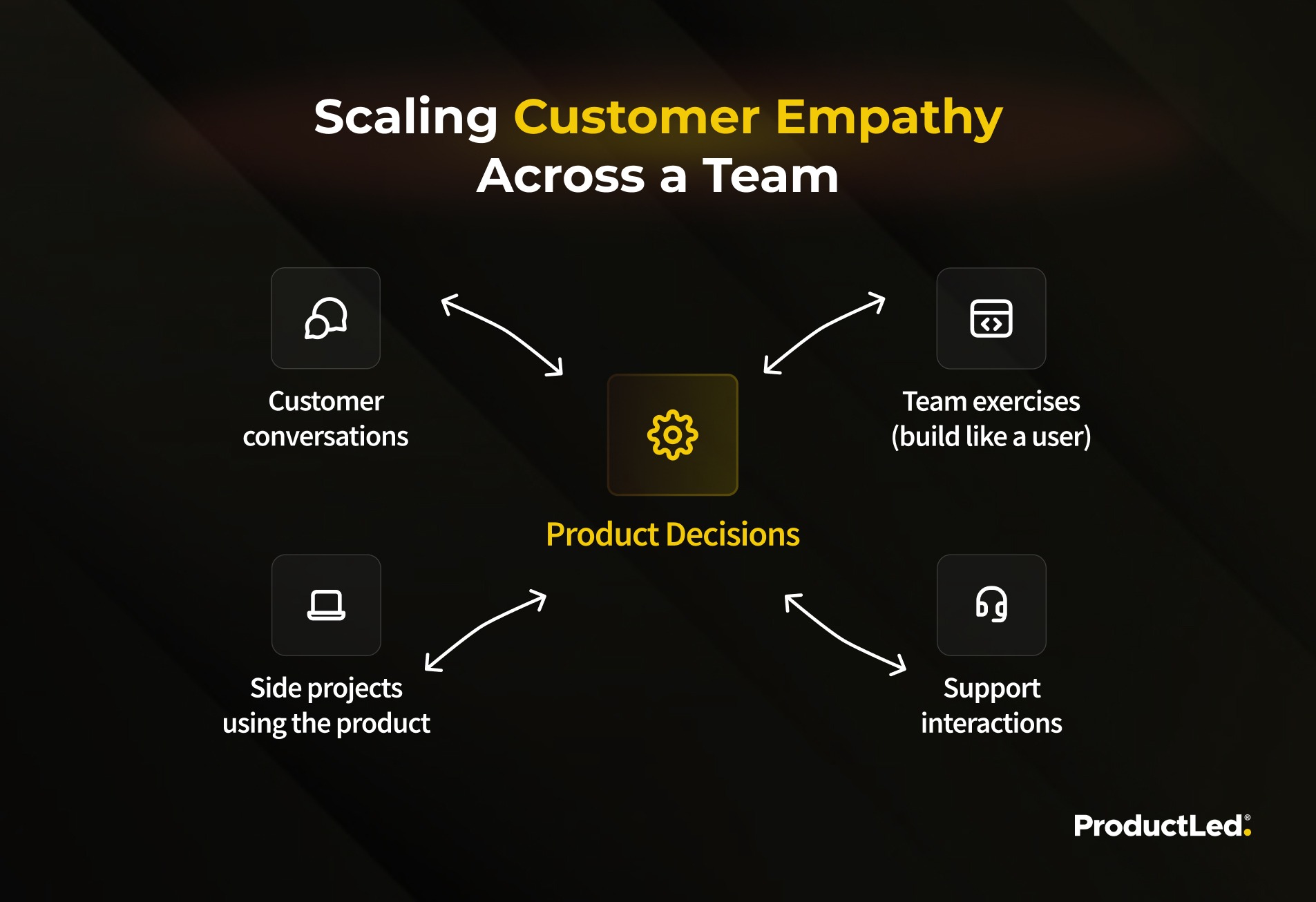
Scaling empathy across the whole team
Customer obsession cannot live only in the founder’s head. Kit uses a couple of practical mechanisms to spread empathy across the organization.
One example is a retreat exercise: small groups were told to build a landing page as if they were real customers, for a real project, within a short time window. The goal was not to QA the product. The goal was to feel the product the way a customer feels it.
The exercise surfaced an unexpected bottleneck: almost everyone got stuck writing the headline for the landing page.
That insight led to a simple product improvement: contextual help that appears right when someone clicks into the title field, offering guidance on writing a strong headline. The content already existed in the knowledge base. The missing piece was connecting it to the moment of need.
A second mechanism is cultural: Kit encourages side hustles that use Kit.
This matters because it turns teammates into real users. When someone builds a newsletter, sells a product, or experiments with an audience project, they encounter the same friction and uncertainty customers face. That empathy comes back into the product as grounded feedback, often documented while the work is happening.
Even if only part of the company participates, it creates a steady stream of reality checks that are hard to replicate through surveys.
“Best product” means outcomes plus feeling
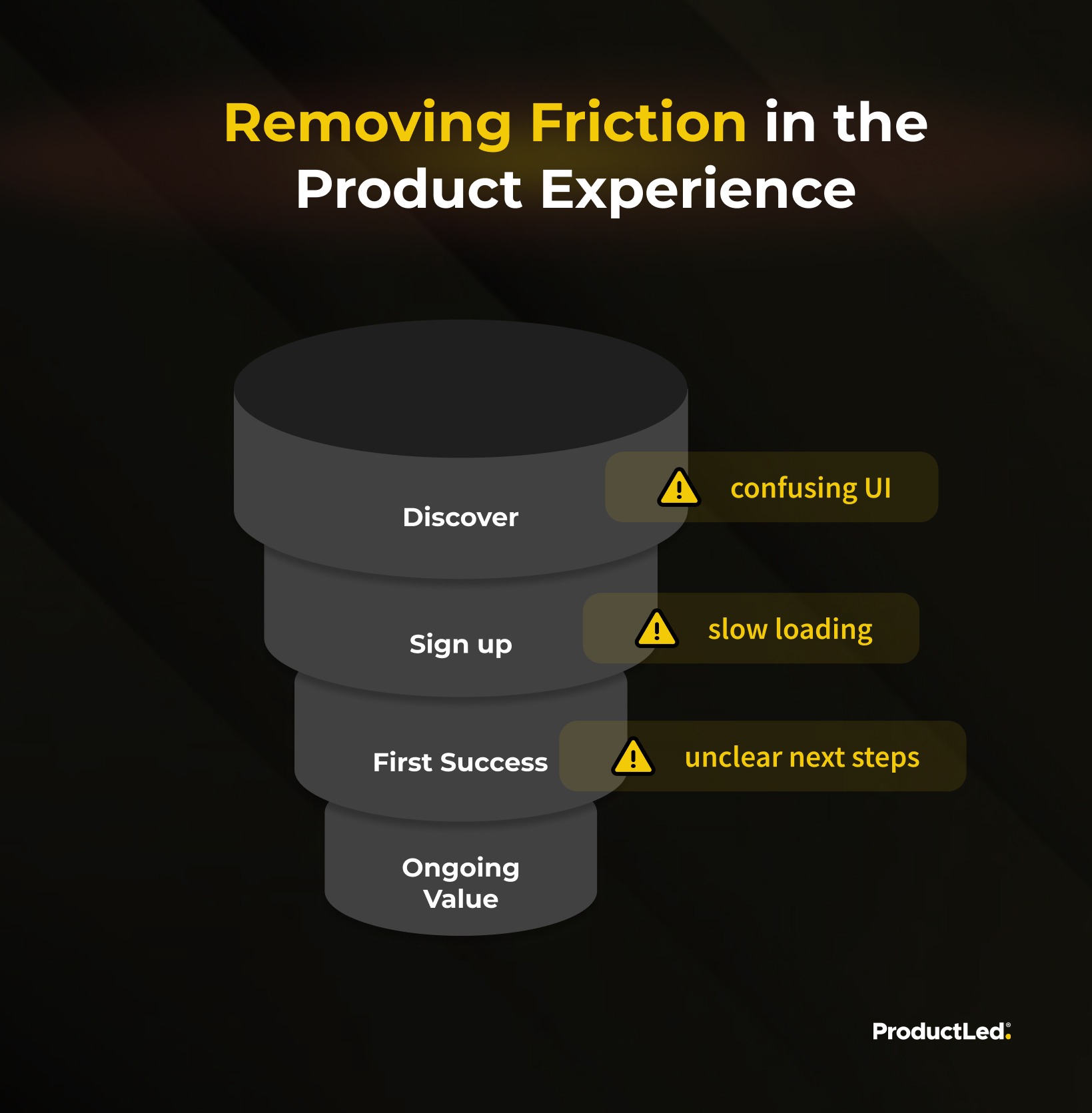
“Best product” goes beyond feature completeness. It includes:
- The outcome a customer is trying to achieve
- The feeling of getting there
On outcomes, the north star is not “learn the tool.” The north star is finishing the job.
For creators, the goal might be earning money from an audience while spending most of their time on their craft. That shifts the product philosophy away from maximizing time in app. Many consumer companies optimize for engagement. Kit’s approach points in the opposite direction: help users set up what they need, automate it, and return to making.
On feeling, the bar is higher than “it works.” A product can technically deliver the outcome and still feel clunky, slow, or stressful. That emotional residue influences retention and word of mouth, especially in crowded markets where many tools can check the same functional boxes.
This is where teams often struggle, because “feeling” sounds subjective. In practice, it becomes visible when you watch real users and when the team develops taste for quality. It is a big part of what it really means to be product-led.
Designing speed and polish users can feel
Perceived speed is part of product quality.
Sometimes the product is not actually faster, but it feels faster because the interface gives instant feedback and reduces uncertainty. A small UI change that confirms “your click registered” can make a workflow feel smoother, even if the underlying page still needs time to load.
A memorable example comes from Instagram: the app starts uploading a photo earlier in the flow than users expect, so that when they finally hit “post,” the remaining work is minimal. Users experience that as speed. The product team treated the feeling of momentum as a first-class requirement.
This mindset translates to any SaaS product. If users feel like they are constantly waiting, second-guessing, or hunting for the next step, the product becomes harder to recommend. If they feel guided and confident, they move forward and they tell others.
Culture that ships: “Are you proud of this?”
High quality does not scale when the CEO becomes the final approver of everything. That path leads to bottlenecks, burnout, and stalled shipping.
A more sustainable approach is to embed quality standards into culture, using language and questions that teams repeat until they become instinct.
Two questions show up as cultural tools:
- “What would have to be true?”This pushes a team out of constraint thinking and into problem solving. It changes “we cannot” into a concrete set of conditions, tradeoffs, and options.
- “Are you proud of this?”This is a quality filter that goes beyond meeting requirements. It invites the team to notice what feels off: the awkward interaction, the missing polish, the detail that makes the experience feel unfinished.
Over time, these prompts spread. The sign that culture is working is hearing teammates use the questions without leadership in the room.
Removing friction with data, recordings, and rollouts
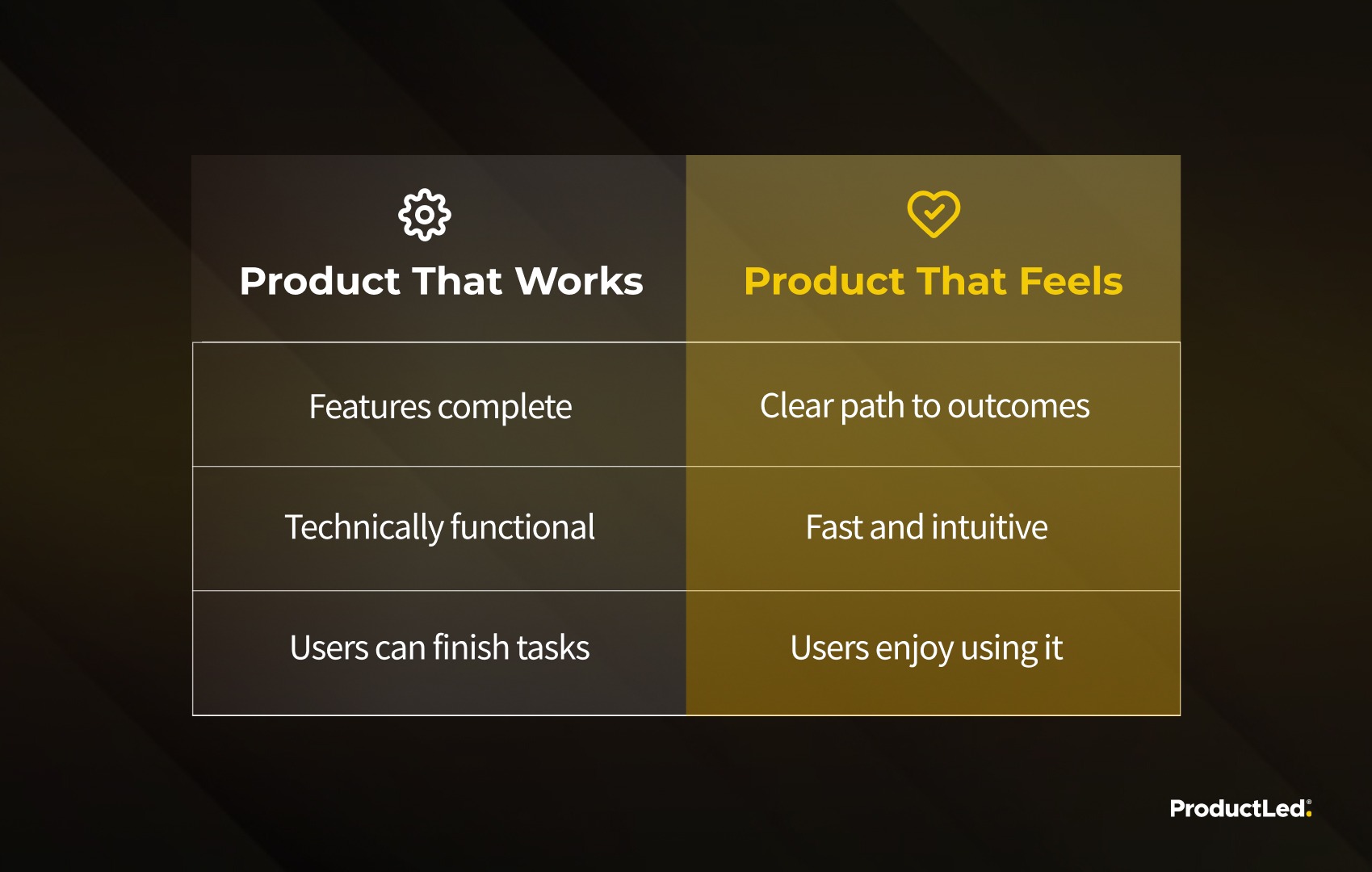
Reducing friction is not only a UX initiative. It is a systems problem.
Kit leans on a few operational habits:
- Watch real user sessions (tools like FullStory) to see where people hesitate, hunt, or abandon.
- Sit with customers in live settings and ask them to think out loud while completing a task.
- Use feature flags to release changes gradually.
The feature flag approach is especially useful for quality. Ship a new feature to a small percentage of users, turn on session recording for that cohort, and observe the first-time experience. Fix what breaks, smooth what confuses, and expand the rollout.
This flips the usual dynamic. Instead of shipping to 100% and learning through support tickets, you get early signal while the blast radius stays small. By the time the majority of customers see the feature, it already feels polished. Teams trying to do this well often benefit from a stronger product experimentation framework and more disciplined product experimentation tips.
Free plans, moats, and owning the upstream
Free plans can be a strategic moat when they protect the upstream flow of future customers.
A useful lens is to compare:
- Tools that win professionals but stay accessible to beginners
- Tools that become beginner tools and never get pulled into professional workflows
Figma is a strong example of the first category. It is used by professionals, yet a beginner can start for free with minimal friction. Monetization happens later, often when team collaboration features matter.
For creator tools, the same dynamic can apply. If beginners start somewhere else, they may bring that tool with them when they graduate into bigger use cases. Mailchimp saw this effect: people learned it on side projects, then later introduced it into larger organizations.
The tradeoff is real, especially for bootstrapped companies. Giving away more for free can increase adoption and reduce friction, but it can also cut into revenue from entry-level customers. The strategic question becomes: can long-term market share gains and downstream upgrades offset what you give up today?
Pricing also tends to be shaped by industry norms. In email marketing, pricing by contacts is widely understood, which makes it easier for customers to compare. You can disrupt the model, like revenue-share approaches, or anchor to the norm and compete on product quality and outcomes. If you want to explore this tradeoff further, these guides on free models in SaaS and product-led growth benchmarks make strong supporting links.
The bigger challenge: becoming product-led takes time
The unglamorous truth is that many companies cannot rely on product-led growth early.
Product-led advantages often show up at scale, once the product experience is mature and distribution loops are working. Before that, teams still face the cold start problem: limited customers, limited signal, limited resources, and a product that needs time to become great.
One practical solution is “manual first.” High-touch tactics like concierge onboarding, migrations, and founder-led support can buy time while you learn what the product must become. These tactics may feel sales-led, but they can be the bridge that gets you enough momentum to build the product-led flywheel later.
The long-game mindset matters here. Sustainable product-led growth tends to reward teams that preserve runway, iterate quickly from real feedback, and keep shipping improvements that users can feel.
Resources
- Kit: https://kit.com
- Connect with Nathan Barry on LinkedIn: https://www.linkedin.com/in/nathanbarry/
- Connect with Wes Bush on LinkedIn: https://www.linkedin.com/in/wesbush/
- Connect with Esben Friis-Jensen on LinkedIn: https://www.linkedin.com/in/esbenfriisjensen/
- Sign up for the ProductLed Newsletter: https://www.productled.com/newsletter
Want to build your own product-led success story?
The Kit approach is a reminder that product-led growth is built through the details: customer proximity, faster paths to outcomes, and a standard of quality your team carries without constant oversight.
If you want help turning those ideas into a practical plan for your business, you can:
- Book a Free Growth Session for personalized advice on your biggest PLG challenges
- Join the ProductLed MBA™ to learn the frameworks top product-led companies use to scale
- Download the ProductLed Playbook for free resources packed with PLG strategies
- Subscribe to the newsletter for weekly insights on building and scaling product-led growth