When Jeff Wang stepped into the CEO role at Windsurf, it happened in the middle of chaos.
A collapsed OpenAI acquisition. Founders leaving for Google. A scramble involving some of the biggest names in tech. And a 72-hour window to help preserve the company and protect 250 jobs.
That story is dramatic on its own, but the more useful lesson sits underneath it: Windsurf had become strategically important because it moved early, shipped fast, and built real advantages in AI coding before most of the market caught up.
This conversation also surfaces something bigger happening across AI products right now. The winners are not just building cool demos. They are figuring out distribution, pricing, adoption, and enterprise transformation in a market where usage costs can explode and customer expectations change every few months.
Here are the biggest ideas from the episode.
The 72-Hour Crisis That Changed Everything
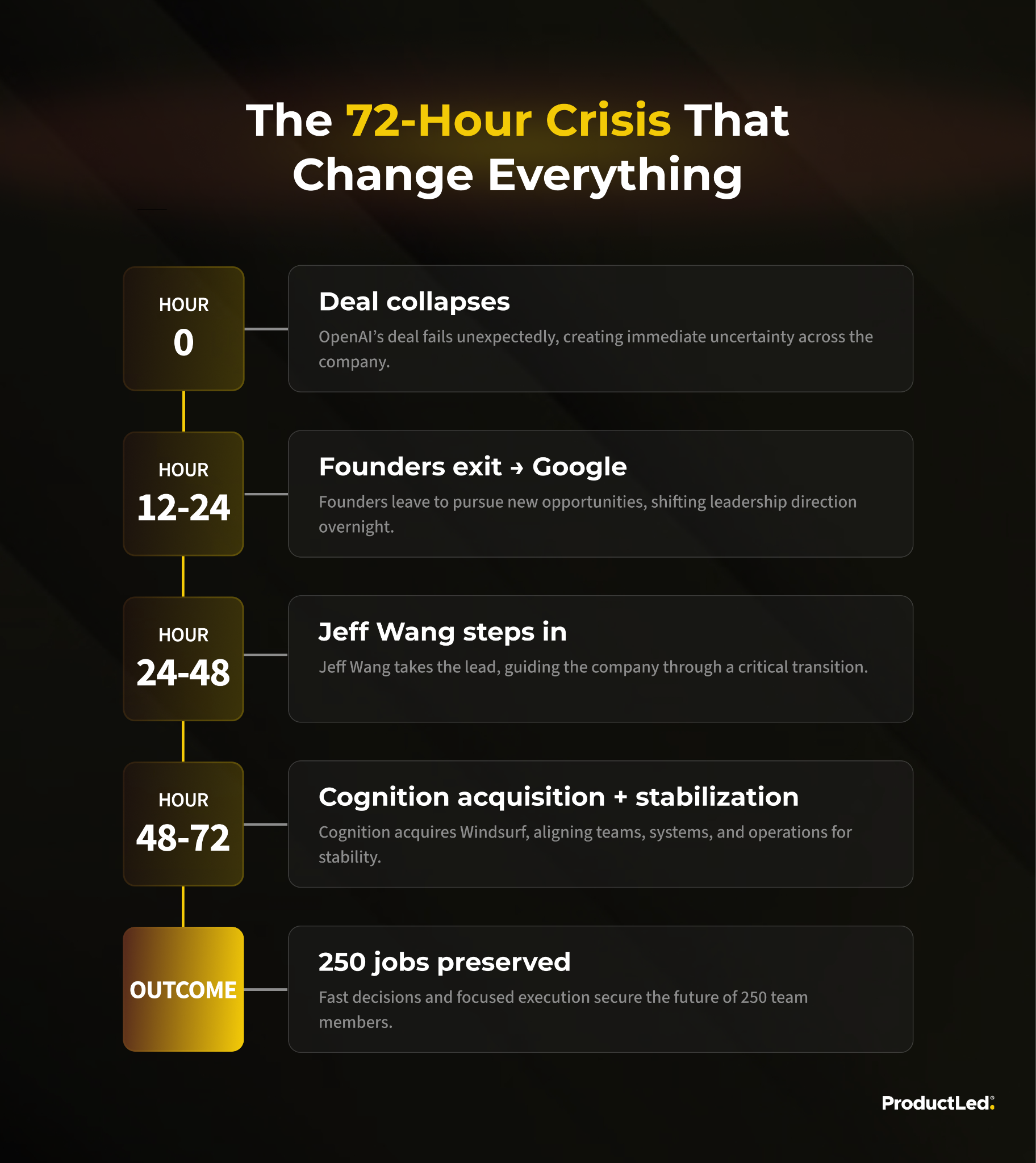
Windsurf’s leadership transition happened under extreme pressure. What stands out is not just how fast everything moved, but how much clarity was needed to get through it.
In a moment like this, the job becomes simple in a very real way. You focus on increasing the number of good outcomes still on the table. That means spending time on the few actions that can actually move things forward. For Windsurf, that meant working closely with Cognition during the acquisition, keeping stakeholders aligned, and making sure employees stayed informed even when things were uncertain.
There’s a useful leadership lesson here. During high-stakes transitions like an acquisition, priorities shrink fast. Most normal routines stop mattering. What matters is keeping options open where possible, building enough momentum to reach a solid outcome, and keeping the team steady so things don’t fall apart while decisions are still being made.
That same mindset carries into what comes next. Once the acquisition is done, the challenge doesn’t go away. It just changes. The focus shifts from getting through the moment to integrating into a new setup, aligning teams, systems, and expectations under Cognition.
Why Big Tech Wanted the Windsurf Team
Windsurf became valuable because it repeatedly got important product bets right before they were obvious.
Early on, the company shipped key capabilities ahead of much of the market: ChatGPT integration inside coding workflows, autocomplete plus chat, context engineering that pulled relevant codebase information into prompts, and enterprise deployment options.
Then came the bigger leap: agentic workflows.
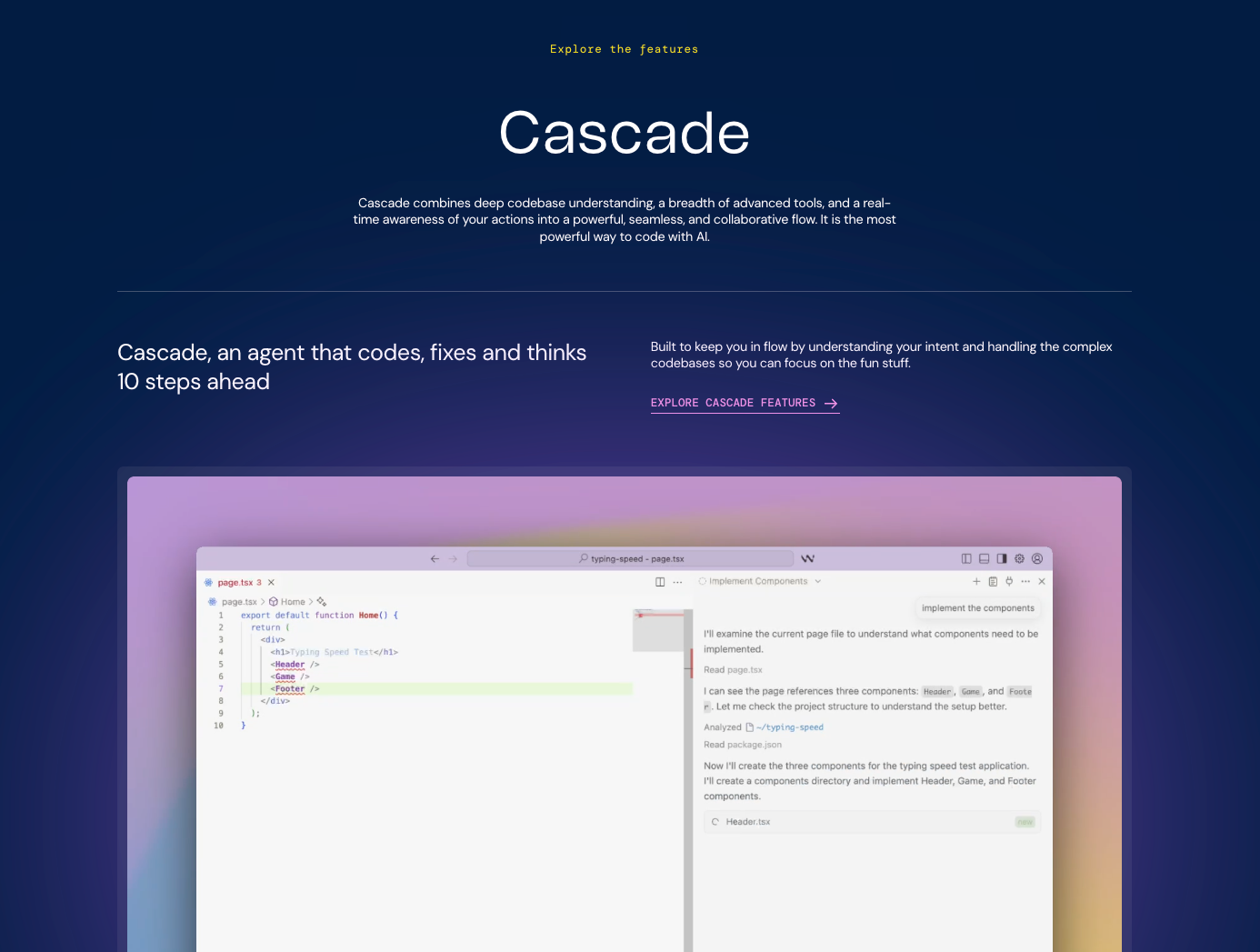
Windsurf helped define the idea that an AI coding tool should not just answer one prompt at a time. It should retain context across a plan, execute iteratively, and keep working toward a goal. That helped make coding agents feel like software teammates rather than glorified assistants.
Execution speed mattered just as much as technical insight. Many startups can describe where the market is going. Far fewer can ship into that future quickly enough to matter.
That combination, strong product instincts plus high velocity, is what made the team so strategically attractive.
The Future of Coding Is Multi-Agent
One of the clearest predictions from the episode is that coding is moving from single-agent interaction to multi-agent management.
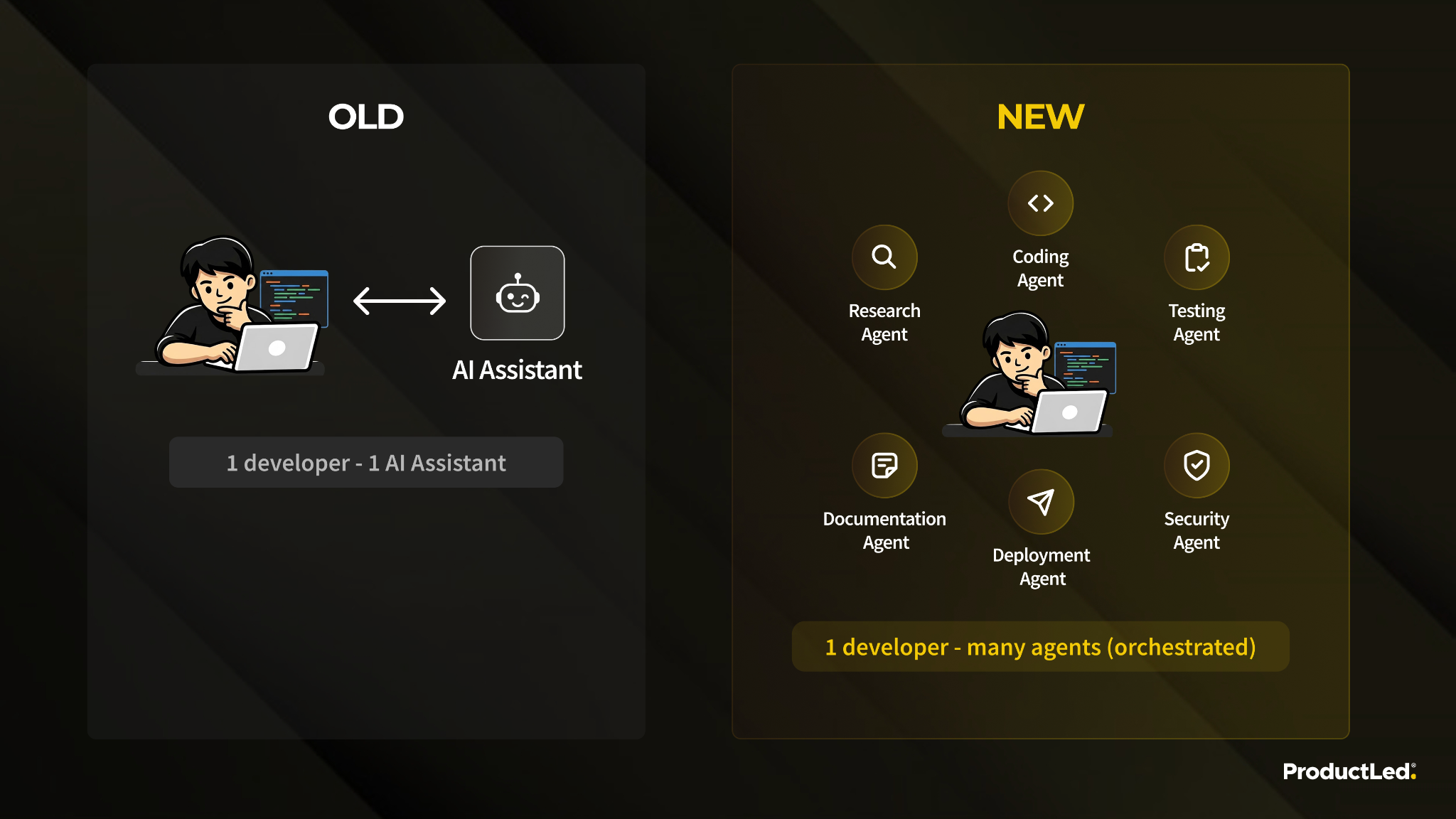
The old model was simple: one developer working with one AI assistant inside the IDE.
The new model looks different. Once agents can reason across tasks, write code, run code, verify outputs, and test interfaces, users stop waiting around for one long-running process. They start spinning up multiple agents at once.
That creates a new product challenge. The interface is no longer about helping one agent respond better. It is about helping users coordinate many agents without losing visibility or control.
That is the thinking behind Windsurf 2.0. The goal is to make it easier to manage many active agents at the same time, because that is increasingly how advanced users work.
This shift matters beyond coding. It hints at where many AI products are heading. The value will increasingly come from orchestration, oversight, and workflow design, not just raw model output.
How Free Became Their Growth Wedge
Windsurf’s early growth strategy was straightforward and sharp: use free as a wedge.
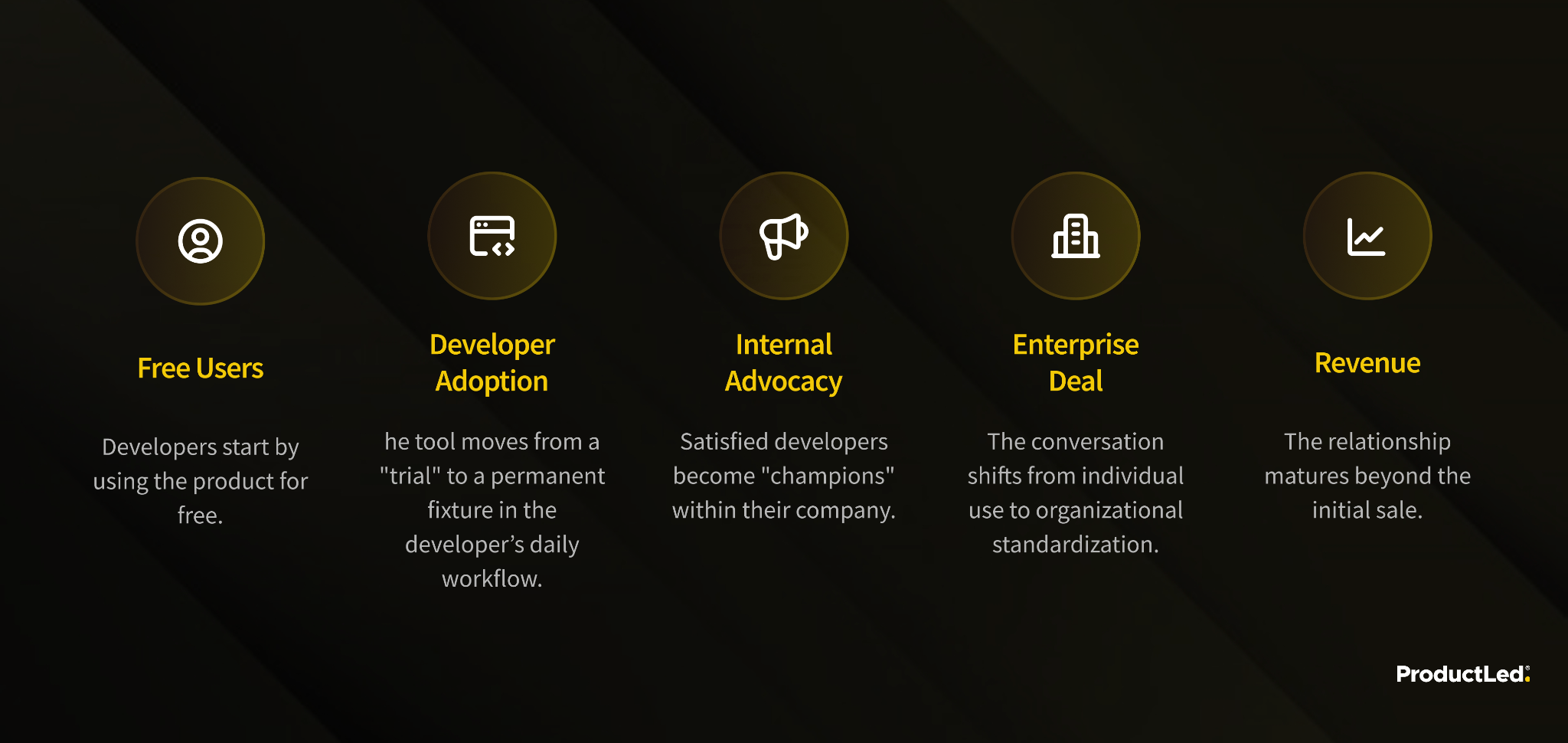
Before the business generated meaningful revenue, the team released free autocomplete and later chat across popular IDEs. That made adoption far easier. In a market where paid options already existed, free gave developers a compelling reason to try something new.
The point was not generosity for its own sake. Free usage created awareness. It got the product into the hands of developers who could later influence enterprise buying decisions. If someone inside an organization already knew the tool, the company had a much easier path into a serious sales conversation.
On the monetization side, the early enterprise motion focused on on-prem deployments. That was smart because it targeted an area with strong demand and less direct competition. It also fit the team’s strengths, since they could handle the engineering-heavy work required to deploy and support those environments.
This is a good reminder that a free product only works when it feeds a valuable pipeline.
The Hard Truth About AI Pricing
AI pricing is where a lot of attractive growth stories get messy.
Free users are expensive. Token usage can get out of control quickly. And in AI coding, some users will happily consume huge amounts of value if the pricing lets them.
That creates a dangerous trap. A product can look like it is growing while actually attracting users who are there for cheap tokens rather than differentiated value.
One of the sharpest ideas from the episode is this: pricing changes can reveal whether product-market fit is real. If you raise prices and revenue holds or grows, you probably have genuine value. If users disappear immediately, there is a good chance they were using you as arbitrage rather than because your product was uniquely helpful.
For founders, that means subsidized growth should be treated carefully. If the economics only work while you underprice the product, the signal may be weaker than it looks.
Why Enterprise AI Sales Are Top-Down
Even though Windsurf has product-led roots, much of its current revenue comes from top-down enterprise sales.
That makes sense because large companies are not simply buying an AI coding tool. They are trying to drive transformation. They want to reduce costs, increase engineering velocity, modernize workflows, and do it without creating security problems.
That changes the sales conversation.
The winning pitch is not about seat counts or feature lists. It is about outcomes. What are teams trying to build faster? What migrations are being delayed? What manual work is consuming engineering time? Where can AI reliably create measurable leverage?
This is also where many AI startups underestimate the real work of enterprise selling. Customers often need help with access controls, security reviews, training, internal rollout, and adoption strategy. Selling the license is only the start.
What It Takes to Drive Real AI Adoption
Rolling out a tool does not mean people will use it well.
In many enterprises, adoption stalls because teams do not know where to start, do not understand the model landscape, or do not see a compelling first use case. Many users simply accept default settings without understanding what different models or workflows are best suited for.
That is why real adoption requires more than product access. It requires education, training, and repeatable playbooks.
A strong first use case matters a lot here. Legacy code migrations, upgrades, documentation work, and other painful engineering tasks can make excellent entry points because the value is obvious and immediate.
Playbooks help turn that value into repeatable behavior. Instead of asking teams to invent workflows from scratch, companies can provide structured ways to use agents for common tasks. That reduces the learning curve and increases the chances that adoption spreads.
There is also a useful PLG lesson here. Self-serve users remain valuable even in an enterprise-heavy motion because they help product teams test features, gather feedback, and catch problems before broader rollout.
Jeff’s AI Workflows as CEO
Jeff also shared how he uses AI in his own work, and the examples point to a practical pattern.
He is not using AI as a novelty. He is using it to turn repeatable thinking into reusable workflows.
That includes playbooks for account research, stakeholder mapping, and event-based outreach prep. With the right setup, AI can gather relevant contacts, organize reporting structures, and draft personalized notes in a usable format before a human reviews the final output.
He also uses agents to investigate business performance, product behavior, and pricing changes before even opening dashboards. That says a lot about how workflows are changing inside AI-native companies. Teams increasingly ask AI for synthesized explanations first, then verify details in the raw data.
The bigger idea is that leaders can build their own internal operating leverage by codifying recurring tasks into playbooks.
Jeff’s Advice for Every Product Founder
The closing advice is simple and worth repeating.
Build around a painful problem.
Founders get tempted to build flashy demos because AI makes it easier than ever to create something impressive quickly. But impressive is not enough. The product has to solve a problem people urgently want fixed.
Often that means starting narrow. If a small group of customers has a very specific pain point and your product solves it better than anyone else, that is a strong place to begin. Revenue and expansion come later.
The other non-negotiable is customer conversation volume. Windsurf talked to hundreds of prospects to understand what mattered, why deals were stalling, what customers actually needed from pilots, and how pricing, support, and deployment should work.
That level of repetition is where product clarity comes from.
And yes, it is hard. Talking to prospect after prospect is slower and less fun than building. But that is where the best founders separate themselves. They learn to enjoy the process of hearing no, diagnosing why, and improving until that no becomes a yes.
Resources
- 🚀 Windsurf: https://windsurf.com/
- 💼 Connect with Jeff Wang on LinkedIn: https://www.linkedin.com/in/jeffwang/
- 💼 Connect with Wes Bush on LinkedIn: https://www.linkedin.com/in/wesbush/
- 💼 Connect with Esben Friis-Jensen on LinkedIn: https://www.linkedin.com/in/esbenfriisjensen/
- 🧠 Sign up for the ProductLed Newsletter: https://www.productled.com/newsletter
Want to build your own product-led success story?
Every story like Jeff's starts with a product that sells itself. That playbook is Product-Led Growth: How to Build a Product That Sells Itself.
This episode is a strong reminder that product-led growth still matters in AI, but it has to connect to real economics, real adoption, and real customer outcomes.
If you want to build a product-led company that grows with stronger fundamentals, here are a few ways to go deeper:
- 👉 Book a Free Growth Session to get personalized advice on your biggest PLG challenges
- 👉 Join the ProductLed MBA™ and learn the frameworks top product-led companies use to scale
- 👉 Download the ProductLed Playbook for free resources you can apply right away
- 👉 Subscribe to the newsletter for weekly insights on building smarte