How Chatbase Hit $8M ARR with 18 People
Strategy
All


Some SaaS companies try to win by outspending everyone.
37signals has spent decades proving there is another path: stay small enough to stay sharp, build for people like you, and ship products that feel different because they come from a clear point of view.
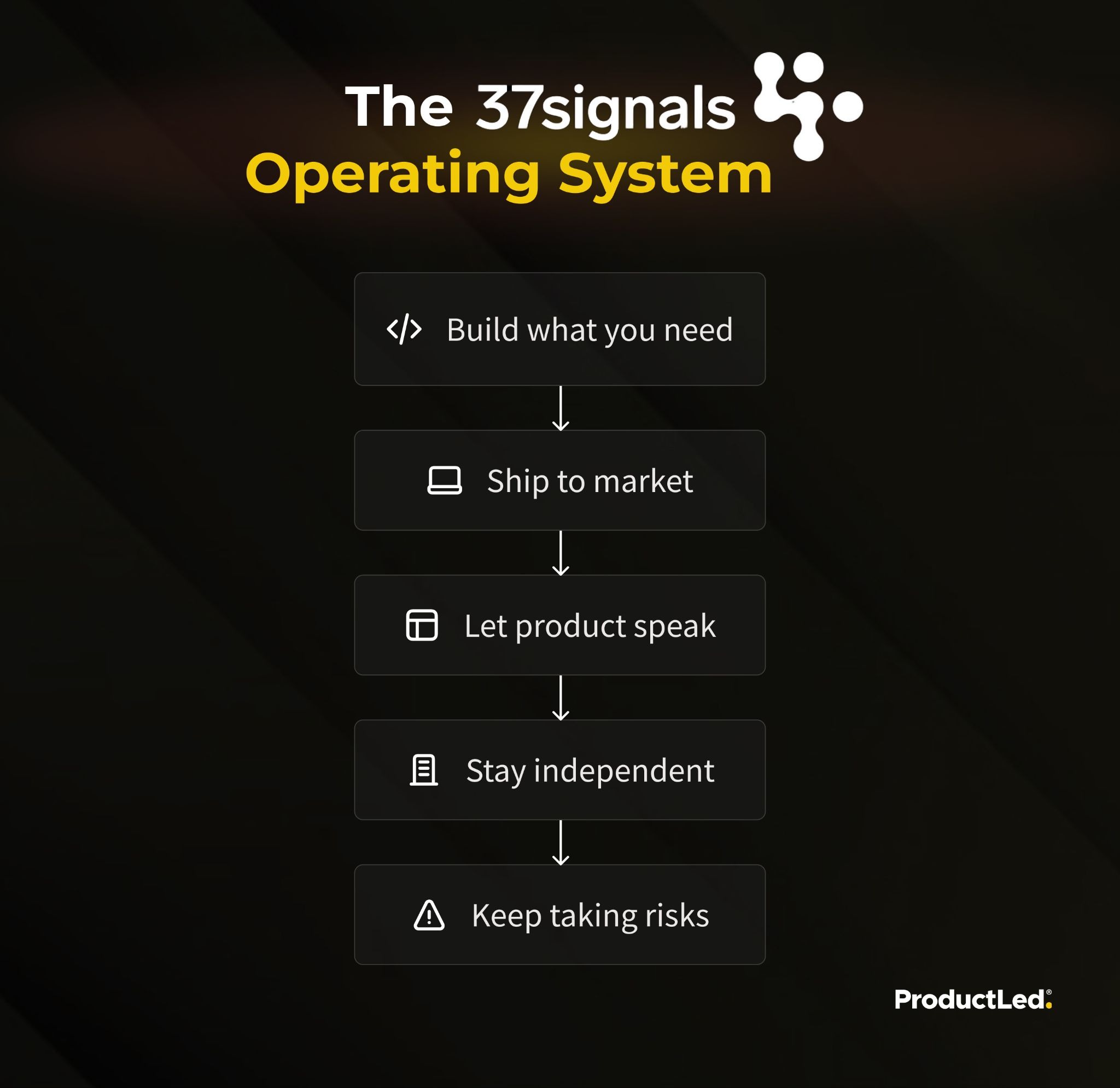
At the center of that approach is a simple operating system:
If you want a deeper breakdown of what that looks like in practice, this guide on What Product-Led Growth Really Means and this playbook on How to Build a Product-Led Growth Strategy unpack the operating system behind companies that let their products lead.
A lot of founders go quiet when they are stuck, and get loud when they are building.
The increased public presence comes from momentum. When the work is active and new products are moving, energy spills into writing, posting, and sharing progress. When launch gets close, the posture flips to deep focus.
That rhythm is worth noticing because it is a healthier model than forcing constant hype. It treats sharing as a byproduct of real building, not a substitute for it.
If you are trying to build a product-led company, this is a useful gut check: if the only time you feel motivated is when you are talking about what you might build, it may be a sign you are not yet deep enough in the work.
The “challenger” posture is not branding. It is identity.
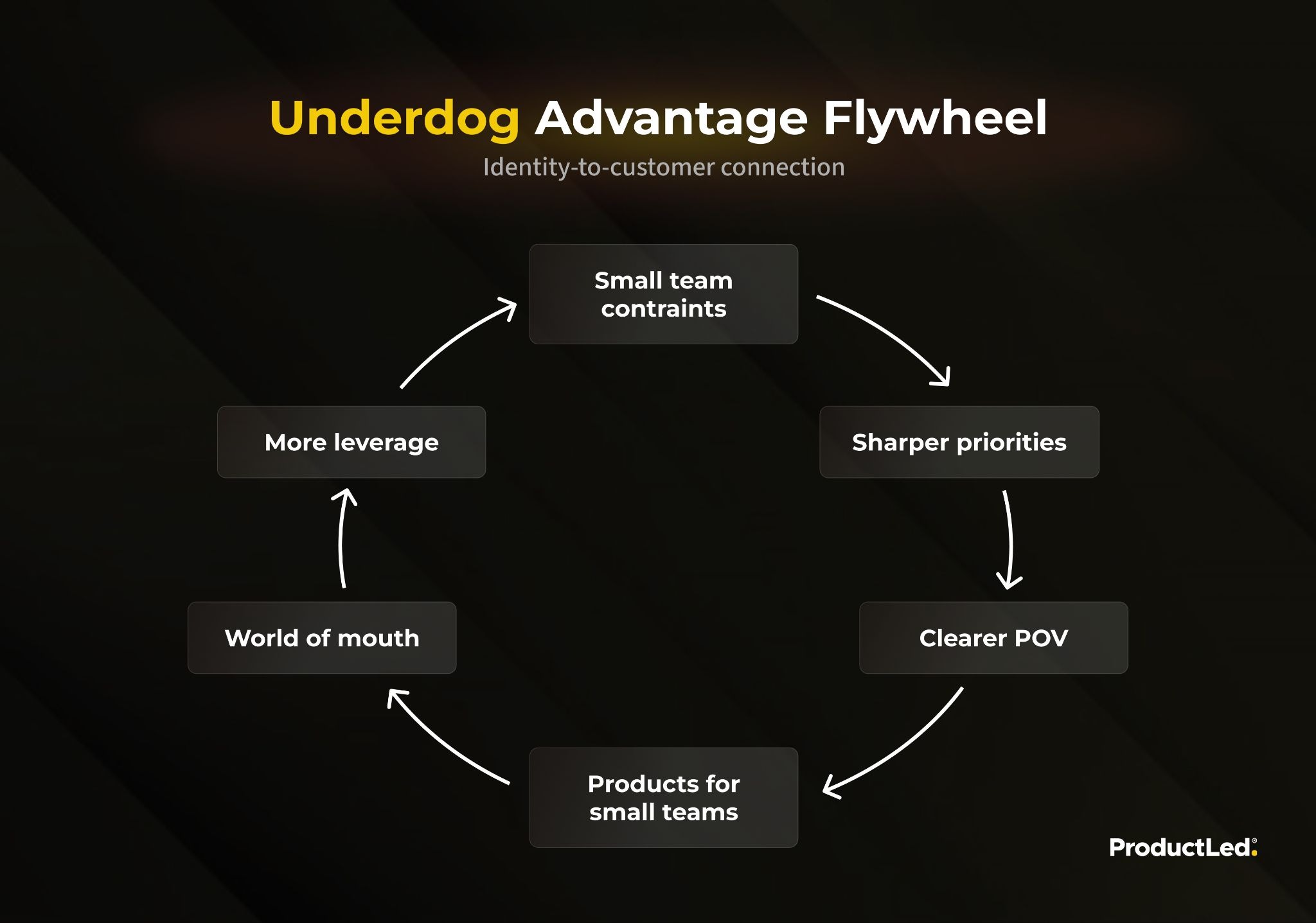
When you are a small team competing in categories dominated by companies with thousands of employees, you naturally build with an underdog mindset. That shows up in how you prioritize, how you position, and how you decide what is worth doing at all.
A key part of the underdog advantage is fuel. Being underestimated can be motivating when you treat it as energy instead of a verdict.
That matters for SaaS because most customers also feel like underdogs. They are running small teams, doing a lot with little, and they often feel overlooked by software built for enterprises or for venture growth narratives.
So the underdog position can become a real connection point, as long as it is genuine. The moment it becomes cosplay, users can feel the hollowness.
A product can be “good” and still be forgettable.
One of the recurring goals here is to ship products that surprise people, especially because they come from a small team. Surprise creates memorability, and memorability creates word of mouth.
HEY is a good illustration. Instead of building another email layer that sits on top of Gmail, the team built the full stack email service. That is hard, expensive, and operationally demanding. It is also the kind of bet that makes people pause and say, “Wait, they did all of that?”
Surprise is not about novelty for its own sake. It is about earning attention by doing something substantial in a category where people assume everything is already solved.
For product-led growth, this is a reminder that differentiation often comes from decisions that feel a little unreasonable. The safe version rarely earns deep loyalty.
There is no giant backlog of future products. Ideas show up as irritations, curiosity, or an itch that will not go away.
The pattern looks like this:
Sometimes the spark is frustration. Sometimes it is a weird idea that sounds ridiculous at first, then becomes obviously clever once you sit with it.
That is an important nuance: not every good product starts from anger. Some start from delight, humor, or the sense that there is a simpler truth hiding under the current conventions.
The consistent filter is also simple: be customer number one. If the team would not use it, they will not build it.
A lot of SaaS teams do validation theater.
They run surveys. They ask hypothetical pricing questions. They collect yes answers that cost nothing, then call it “data-driven.”
The pushback here is straightforward: the only true validation is the market. People paying real money, for a real product, at a real price.
Everything else is a simulation.
That is why the real work starts with building something tangible, what we call a Minimum Lovable Product, and letting the market respond. If it resonates, you double down. If it misses, you adapt. That feedback loop is often more powerful than months of hypothetical validation exercises. When direction changes are required, understanding how to successfully pivot a product becomes part of the discipline.
A practical takeaway for founders:
Choosing that $50 also forces you to think clearly about your pricing model. If you are unsure how to structure that decision, this breakdown of SaaS pricing models and the different approaches beyond trials and freemium in The 6 Free Models in SaaS are worth reviewing.
When features get commoditized, point of view becomes one of the last durable differentiators.
But point of view cannot be manufactured through a template.
The core guidance here is to stop treating positioning like a workshop output and start treating it like an honest statement:
If you need a metaphor, the standard is “solid wood.” Tap it, and it should feel real. Not light and hollow.
This is also where many founders get tripped up by process. If you over-systematize “finding a point of view,” you risk producing something that sounds plausible but is not true. Customers can sense that quickly.
If you over-systematize “finding a point of view,” you risk producing something that sounds plausible but is not true. Customers can sense that quickly.
A stronger foundation comes from first principles thinking, stripping away assumptions and rebuilding your strategy from core truths. This article on First Principles Thinking in Product Management and PLG dives deeper into that approach.
Your point of view also becomes sharper when it is anchored in real customer friction. If you struggle to articulate that clearly, this guide on using customer pain points effectively in marketing offers a useful lens.
A more useful approach is to notice what you already do differently:
Those are usually the raw ingredients of a real point of view.
The books are not direct product marketing.
They are closer to cookbooks. They share the “recipes” behind decision-making, prioritization, and how work gets done.
The deeper idea is that great outcomes rarely come from secrets. They come from taste, judgment, and thousands of small choices that cannot be copied by reading a single page.
So sharing the recipe does not give away the whole advantage.
It does something else:
That last part matters. Products are where beliefs become concrete. If someone likes how you think, they will be curious what that thinking looks like when it turns into software.
The default go-to-market motion here is simple. Let the product speak.
If you are a product company, the product has to be the best salesperson, the best support rep, and the best pitch. Otherwise you are trying to win through persuasion instead of value.
This is where the concept of the Product-Led Growth Flywheel becomes powerful. Instead of pushing leads through a funnel, your product creates its own momentum through activation, expansion, and advocacy.
A product-led approach also puts pressure where it belongs:
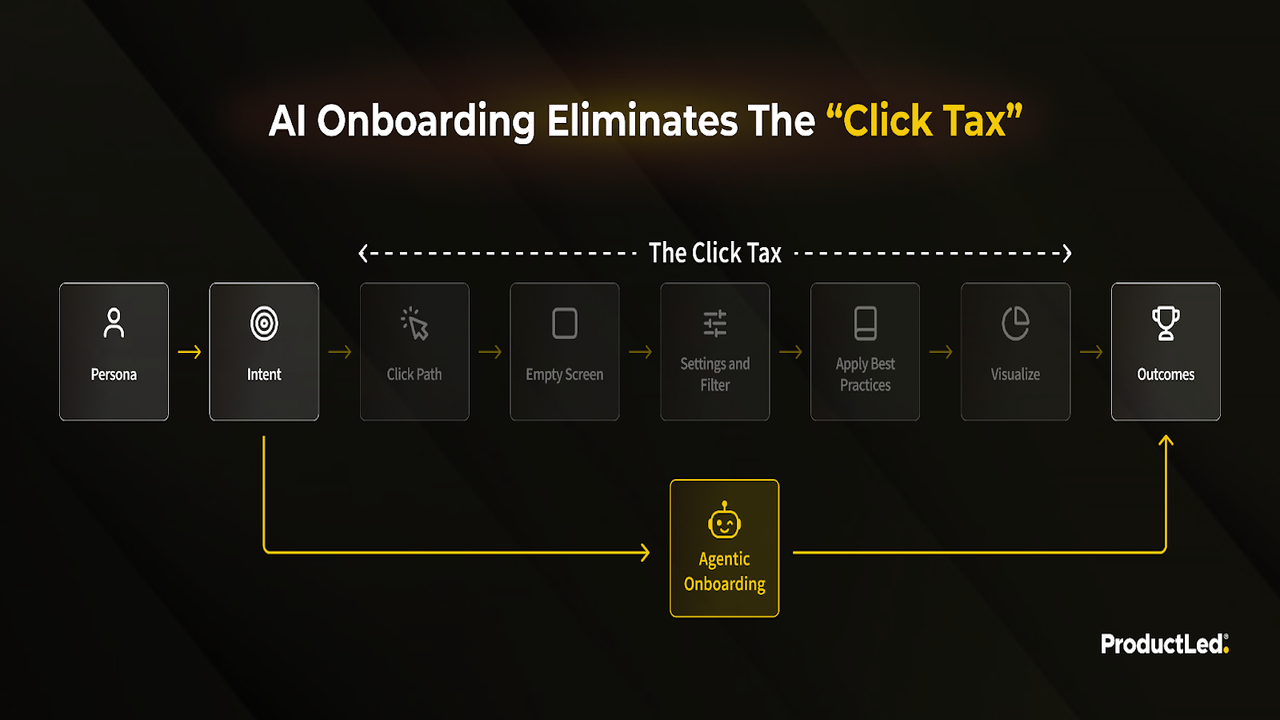
Strong onboarding becomes a growth lever, not just a UX task. If you want a structured way to approach that, this User Onboarding Framework and the User Activation Framework that unified product, growth, and marketing teams break down how to align teams around product-driven expansion.
A portfolio strategy sounds fun until you do it.
Building many products is a hits business. Some will work. Many will not. Even the ones that work require years of maintenance, security work, improvements, and continued relevance.
Two important lessons show up here:
Launching a first version feels hard, but it is often the simplest phase. Maintaining a product over time is where the real difficulty lives.
For founders trying to stay lean while scaling, this reality shows up clearly in the rise of small, highly efficient teams. The Solo-Founder Playbook is a modern example of how focused execution can outperform bloated portfolios. If you are structuring around product-led growth, understanding how to build a winning PLG team helps clarify when to expand and when to stay sharp.
If something has traction, it may deserve nurturing rather than immediate distraction. On the other hand, if something clearly does not catch early, dragging it out can burn runway and energy.
There is no formula. The best guidance is to pay attention to what you are seeing and what it feels like. That might sound soft, but it is often more accurate than a rigid rule.
A useful way to think about roles:
That is not reckless risk. It is the intentional uncertainty required to keep a company alive and relevant.
This is also why independence matters. If you structure the company so you serve at the pleasure of a board, you may lose the ability to take the bets that only founders are positioned to take.
The closing advice for SaaS founders fits on a billboard for a reason:
Trust your gut.
Business decisions are rarely science experiments. Data helps, but it does not remove the need for judgment. If everything were purely logical, computers could run companies. The differentiator is taste, timing, and human intuition built from living in the work.
This episode is a useful reminder that product-led growth is not a tactic. It is a commitment to letting the product earn its place, and to building from a real point of view.
If you are ready to create your own product-led growth engine, we have resources to help: